Beat Summer Heat by Growing Hydrating Muskmelons at Home
The summer season often brings intense heat that can lead to dehydration, especially when water intake is insufficient. To combat this, consuming plenty of water is essential, and fruits like muskmelon are highly recommended due to their high water content. However, with rising fruit prices during peak demand, growing muskmelons at home can be a cost-effective and enjoyable solution. This activity is rewarding for all ages, whether you have a spacious yard or a compact balcony. In this guide, we will explore the ideal soil conditions, sunlight requirements, and techniques like the slip test to ensure you grow healthy, productive muskmelons right at home.
Optimal Season and Temperature for Growing Muskmelons
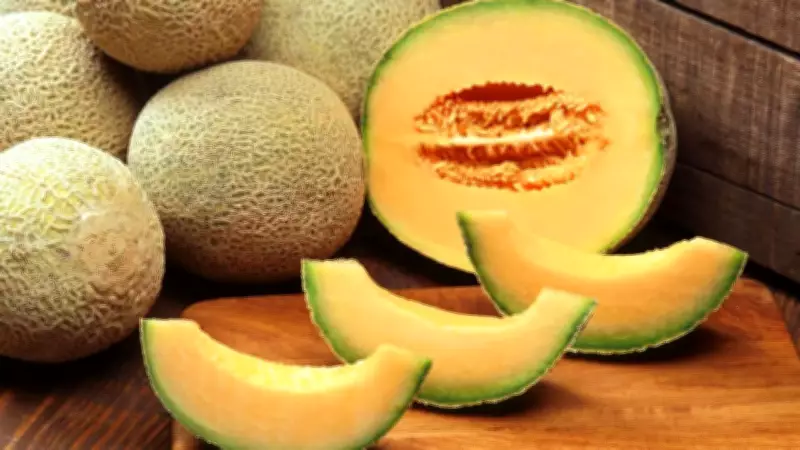
Cultivating muskmelons, commonly known as cantaloupes, can be a gratifying edible gardening experience. These fruits are composed of approximately 90% water, making them an excellent natural cooler for hot days. Muskmelons thrive in warm conditions, as they require ample sunlight to convert starch into sugars, enhancing their sweetness. The best time to plant muskmelons is from late February to April, with temperatures ideally ranging between 25°C and 35°C. Planting during rainy or winter months can result in watery fruits lacking the characteristic sweet aroma, so timing is crucial for a successful harvest.
Space Requirements for Growing Muskmelons
You don't need a large farm to grow muskmelons; they can be cultivated effectively in various settings. In a backyard, provide the vines with four to six feet of space to crawl and spread. For balcony gardening, use a large pot that is at least 12 to 15 inches deep and incorporate a wooden frame or trellis to support vertical growth. This method maximizes space and allows you to enjoy fresh melons even in limited areas.

Step-by-Step Guide to Growing Muskmelons at Home
- Prepare Nutrient-Rich Soil: Muskmelons require abundant nutrients for optimal growth. Before planting, enrich your soil by mixing in compost or well-aged cow manure. This provides the necessary energy for the plants to produce large, juicy melons.
- Plant the Seeds: Create a hole about one inch deep using your first knuckle. Place two to three seeds in each hole, positioning them close to the root tip for better germination. Once the seedlings reach a few inches in height, thin them out by removing the weaker ones, keeping only the strongest plant.
- Water Properly: Water the soil directly to keep it moist, but avoid splashing water on the leaves. Wet leaves can lead to powdery mildew, a fungal disease that appears as a white, flour-like substance. Ensure the soil does not become waterlogged to prevent root issues.
- Support Growing Vines: If growing muskmelons vertically on a balcony, the weight of the developing fruits can cause vines to break. To prevent this, use old netting or soft cotton fabric to create a sling tied to your support structure, providing a secure rest for the melons as they grow.
The Slip Test: Determining Muskmelon Ripeness
A common mistake among beginner gardeners is harvesting fruits too early. To avoid this, use the slip test and other indicators to check for ripeness:
- Change in Skin Color: The skin beneath the webbing will transition from green to a light tan or yellowish hue.
- Aromatic Fragrance: Smell the stem end of the fruit; a ripe muskmelon emits a sweet, perfumed aroma.
- Easily Detachable Stem: Gently press the stem with your thumb. If it breaks off with a soft pop sound, the muskmelon is ready for harvest. If you need to pull or cut it off, the fruit is not yet ripe.
By following these guidelines, you can successfully grow hydrating muskmelons at home, ensuring a fresh and cost-effective supply to beat the summer heat. This hands-on approach not only promotes hydration but also adds a fun, educational element to your gardening endeavors.