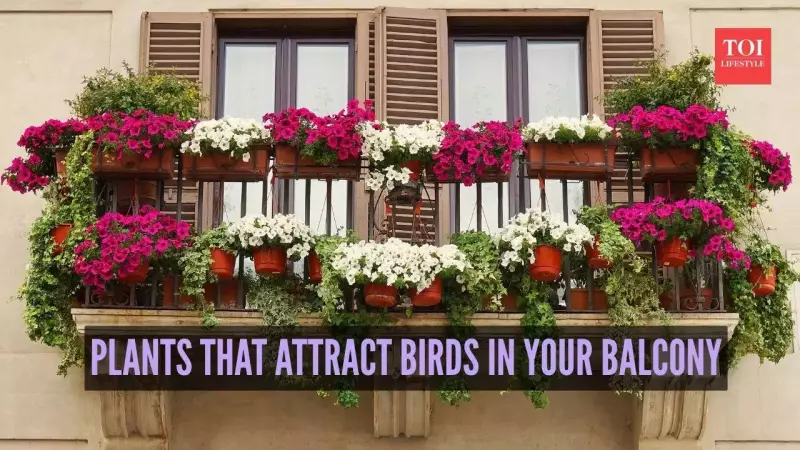
For city dwellers across India, creating a personal oasis often means looking to the skies—or more precisely, to the birds that visit. A small balcony, when planted thoughtfully, can become a vital refuge for local birdlife. By offering essential elements like food, shelter, and safety, even the most compact urban space can contribute significantly to local biodiversity and bring the soothing presence of nature into your daily life.
Why Your Balcony Matters for Birds
In rapidly urbanising Indian cities, green spaces are shrinking. Balconies and terraces can serve as crucial mini-ecosystems, providing birds with the resources they struggle to find in concrete jungles. Plants that offer nectar, seeds, berries, or attract insects form the cornerstone of a bird-friendly habitat. This simple act of gardening does more than beautify your home; it creates a shared space where humans and wildlife can thrive together.
Top 8 Plants for a Bird-Friendly Balcony
Choosing the right plants is key. Here are eight excellent options that are well-suited for Indian balconies and pots, each attracting birds in different ways.

1. Sunflower (Surajmukhi)
The cheerful Sunflower is a powerhouse for attracting birds. Its large, seed-filled heads are a favourite feast for sparrows, finches, and pigeons. As a bonus, they also draw in insects, which in turn attract insect-eating birds. These sun-loving plants are remarkably low-maintenance and bring a burst of vibrant colour to any space.
2. Hibiscus (Gudhal)
A staple in many Indian gardens, the Hibiscus is perfect for nectar-loving birds like sunbirds. Its large, brightly coloured flowers are easy for birds to access. In India's warm climate, hibiscus can bloom frequently, providing a consistent source of nectar throughout the year while adding a tropical charm.
3. Bougainvillea
While not a nectar producer, Bougainvillea excels in providing dense, thorny cover where birds can safely nest and take shelter from predators. The plant attracts insects, forming a base for the food chain that benefits various bird species. Its vibrant papery bracts make it a stunning balcony addition.
4. Jasmine (Mogra)
Renowned for its intoxicating fragrance, Jasmine attracts both insects and nectar-seeking birds. Birds often visit jasmine-covered spaces for feeding and rest. It grows well in containers, and its scent is most potent during the early morning and evening, enhancing your balcony's ambiance.
5. Ixora (Rugmini)
This evergreen shrub produces clusters of flowers rich in nectar, which are particularly attractive to sunbirds and butterflies. Ixora flowers for extended periods and adapts beautifully to pots. Its bright red, pink, or orange blooms make it both ornamental and highly functional for supporting birdlife.
6. Bottlebrush
True to its name, the Bottlebrush plant has unique, brush-like flowers full of nectar. These vibrant red spikes are a magnet for nectar-feeding birds. When grown in a large container, a bottlebrush plant can turn your balcony into a frequent bird visitation zone.
7. Marigold (Genda)
A festival favourite, Marigolds are incredibly easy to grow and flower profusely. They attract pollinators like bees and butterflies, which then draw in insect-eating birds. While birds may not eat the flowers directly, marigolds play a vital role in supporting the food chain that ultimately benefits avian visitors.
8. Basil (Tulsi)
Sacred in many Indian households, Tulsi is a multi-purpose plant. It attracts insects and produces seeds that birds eat. Its bushy growth offers birds a sheltered resting spot. Easy to grow in a pot, Tulsi holds spiritual, medicinal, and now ecological significance by supporting urban wildlife.

Creating Your Urban Bird Sanctuary
You don't need a large garden to make a difference. A thoughtful selection of plants on a compact balcony can create a thriving micro-habitat. Beyond attracting birds, these plants improve air quality, add greenery, and bring natural serenity into urban life. Start with one or two plants from this list, ensure they get adequate sunlight and water, and watch as your balcony transforms into a shared space of life and song. Remember, every pot counts in building a greener, more biodiverse city.