The idea of intoxication might seem uniquely human, but nature has its own party animals. Beyond human bars and social gatherings, the wild hosts several species that actively consume alcohol, often through naturally fermented foods. This behaviour offers scientists a unique window into evolution, animal behaviour, and even parallels with human habits. The phenomenon stems from natural fermentation, where sugars in fruits, nectar, or sap break down into ethanol. Here are three fascinating creatures known to indulge in alcohol in their natural habitats.
Fruit Flies: The Tiny Connoisseurs of Fermentation
Among the most extensively researched creatures in this context is the humble fruit fly. These insects exhibit a strong natural attraction to fermenting fruit, which can harbour significant levels of ethanol. Scientific studies reveal that fruit flies do not merely tolerate alcohol; they frequently show a preference for it. Intriguingly, research has documented that male fruit flies, when denied mating opportunities, tend to consume more alcohol. This behavioural pattern bears a striking resemblance to stress-induced drinking observed in humans.
Furthermore, fruit flies possess an efficient biological system for processing alcohol. They metabolise ethanol using enzymes that are remarkably similar to those found in the human liver. This adaptation allows them to handle their fermented diet effectively, making them a prime model for scientific study.

Vervet Monkeys: Mimicking Human Drinking Styles
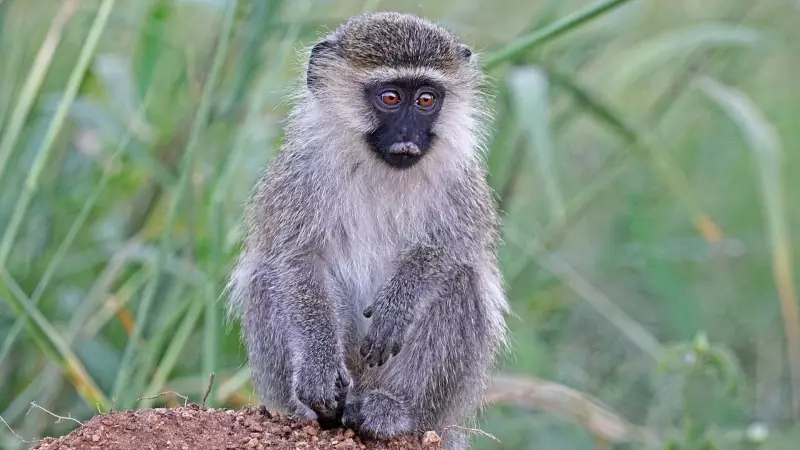
On the Caribbean islands of St. Kitts and Nevis, vervet monkeys have developed a notable reputation for their love of alcohol. Their fondness likely has historical roots tracing back to the colonial era and the establishment of sugarcane plantations for rum production. Over time, these clever primates cultivated a habit of pilfering unattended alcoholic beverages from humans.
What makes the vervet monkeys particularly compelling to researchers is how their consumption habits mirror human social drinking. Studies conducted on these populations have identified distinct drinking personalities, much like in human societies. Scientists categorise them into light drinkers, heavy drinkers, and binge drinkers. While some monkeys actively seek out alcoholic drinks, others consistently avoid them, demonstrating individual preference and variation within the troop.
Cedar Waxwings: The Unintentional Avian Revelers
Cedar waxwings, sleek and social birds known for their fruit-centric diet, sometimes fall victim to accidental intoxication. During winter months, berries they consume can undergo natural fermentation due to repeated freezing and thawing cycles. When these birds feed rapidly on large quantities of such fermented fruit, they ingest alcohol as a byproduct.
The consequences can be visibly erratic behaviour. There have been documented instances of cedar waxwings flying into windows, swaying unsteadily on branches, or struggling to maintain balance. However, biologists suggest this is likely an unintended side effect of their feeding habits rather than deliberate seeking of intoxication. Fortunately, most birds metabolise the alcohol quickly, and such incidents rarely lead to long-term harm, allowing them to recover and fly on.
This exploration into animal behaviour underscores that the consumption of alcohol is not a human monopoly. From the stress-driven fruit fly to the rum-loving vervet monkey and the berry-eating cedar waxwing, ethanol consumption in the wild presents a fascinating intersection of ecology, adaptation, and accidental discovery. For scientists, these animals provide crucial insights into the evolutionary relationship between living beings and naturally occurring fermentation processes.