Waterfalls have a way of stopping people in their tracks. Some arrive as a distant roar long before they come into view, while others seem to appear suddenly between cliffs, forests or mountain ridges. Their appeal is difficult to reduce to measurements alone. Height, width and volume matter, yet many of the world's most admired waterfalls are remembered as much for their surroundings as for the water itself.
Across different continents, waterfalls shape landscapes, support ecosystems and attract travellers who often journey considerable distances to see them. Some plunge from towering escarpments, others spread across broad rock faces or disappear into mist-filled gorges. The locations on this list differ greatly in scale and setting, but each has become known for a distinctive character that sets it apart. According to World Atlas, check the list of the most beautiful waterfalls in the world.
1. Russell Falls
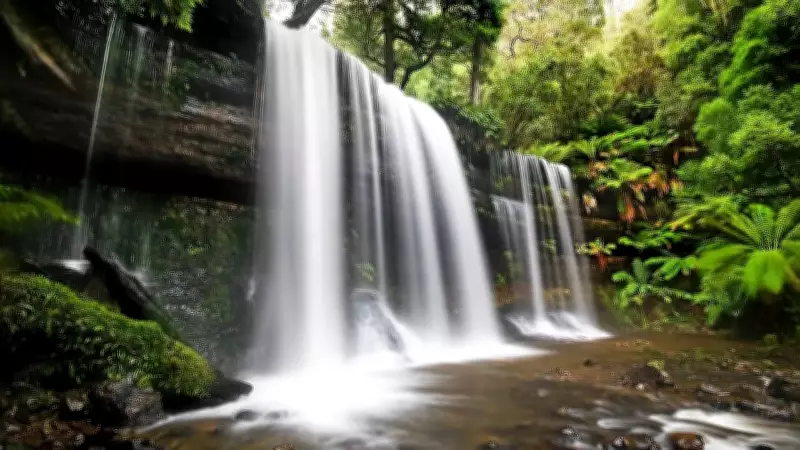
Hidden within Tasmania's lush central highlands, Russell Falls is often regarded as one of Australia's most photogenic waterfalls. Water slips down a series of broad rock ledges surrounded by ferns, moss and towering forest, creating a scene that feels remarkably untouched. Its layered appearance gives the falls a gentle elegance that differs from the thunderous cascades found elsewhere on this list. The waterfall became a popular attraction during the nineteenth century and remains a highlight of Mount Field National Park. The surrounding rainforest adds much of its charm, particularly after rainfall, when the landscape appears at its most vibrant.

2. Shoshone Falls
Along Idaho's Snake River stands Shoshone Falls, a waterfall that frequently draws comparisons with Niagara because of its impressive dimensions. The falls were shaped by ancient volcanic activity and catastrophic flooding events that transformed the region thousands of years ago. Seasonal river levels influence its appearance throughout the year. During periods of strong flow, water pours over the cliff face in broad sheets, creating a dramatic spectacle against the rugged canyon backdrop.
3. Havasu Falls
Havasu Falls sits deep within a remote section of Arizona's Grand Canyon region. What makes it instantly recognisable is the striking turquoise colour of its water, created by mineral-rich conditions within the creek. The journey to reach the falls is part of the experience. Surrounded by red sandstone cliffs and desert landscapes, the waterfall drops into a vivid blue pool before continuing through the canyon below.
4. Shifen Falls
Often called the "Niagara of Taiwan", Shifen Falls spreads across a wide rock formation in the Pingxi District. Its horseshoe shape creates an appearance that feels larger than its actual height. Fine mist rising from the plunge pool frequently catches sunlight, producing colourful displays that have contributed to the waterfall's nickname as the "rainbow pond". Its accessibility has made it one of Taiwan's best-known natural attractions.
5. Jog Falls
Located in Karnataka, Jog Falls is among India's most celebrated waterfalls. The Sharavathi River separates into several streams before plunging from a high cliff, creating a distinctive appearance that changes dramatically with seasonal rainfall. The monsoon transforms the waterfall. Water volumes increase substantially, often merging the separate streams into a powerful cascade that dominates the surrounding landscape.
6. Maletsunyane Falls
Near the town of Semonkong in Lesotho, Maletsunyane Falls plunges into a deep gorge carved into the country's mountainous terrain. The waterfall is known for the echoing sound created as water crashes into the valley below. Cliffs and open highland scenery give the location a striking sense of scale. Local folklore has long been connected to the falls, adding cultural significance to its natural appeal.
7. Angel Falls
Angel Falls, located in southeastern Venezuela, holds the distinction of being the world's highest uninterrupted waterfall. Water begins its descent from the summit of Auyán-tepui, one of the region's famous table-top mountains. The setting is exceptionally remote. During dry conditions, strong winds can break the falling water into mist before it reaches the ground, creating an ever-changing appearance from a distance.

8. Kalandula Falls
Kalandula Falls is one of Angola's most important natural landmarks. Formed by the Lucala River, the waterfall spreads across a broad horseshoe-shaped cliff before dropping into a rocky gorge below. Rainy seasons bring the waterfall to life, increasing both its volume and power. Dense vegetation surrounding the falls enhances the dramatic contrast between water and landscape.
9. Wallaman Falls
Within Queensland's Girringun National Park, Wallaman Falls plunges from a towering escarpment into a rocky basin far below. It is recognised as Australia's tallest permanent single-drop waterfall. The surrounding rainforest and mountain scenery contribute greatly to the experience. Viewing points at different elevations reveal how the waterfall interacts with the rugged terrain around it.
10. Seljalandsfoss
One of Iceland's most visited waterfalls, Seljalandsfoss is famous for allowing visitors to walk behind the curtain of falling water. The cascade descends from cliffs that once marked the island's coastline. Changing weather conditions frequently alter the atmosphere around the falls. Sunlight, drifting mist and expansive Icelandic skies combine to create a constantly shifting landscape.
11. Khone Phapheng Falls
Situated on the Mekong River in southern Laos, Khone Phapheng Falls forms a complex network of rapids and cascades. The surrounding region is known for its thousands of islands scattered across the river. Although it is not among the tallest waterfalls in the world, its immense water volume makes it one of the Mekong's most powerful natural features. Seasonal river changes continually reshape its appearance.
12. Victoria Falls
Victoria Falls stretches across the Zambezi River between Zambia and Zimbabwe. During periods of high flow, vast clouds of spray rise from the gorge and can be seen from miles away. Its combination of width and height makes it one of the largest waterfalls on Earth. The surrounding area is protected as a UNESCO World Heritage Site and remains one of Africa's most visited natural attractions.
13. Niagara Falls
Straddling the border between Canada and the United States, Niagara Falls consists of three separate waterfalls: Horseshoe Falls, American Falls and Bridal Veil Falls. Together they form one of the most recognisable natural landmarks in the world. The falls have played a significant role in tourism and hydroelectric power generation for generations. Millions of visitors arrive each year to witness the immense volume of water rushing through the gorge.
14. Iguazú Falls
Spread across the border of Argentina and Brazil, Iguazu Falls forms a vast system of waterfalls surrounded by subtropical rainforest. Rather than a single cascade, the site contains hundreds of individual drops extending across a broad stretch of river. Walkways and viewing platforms provide close views of the waterfalls from different angles. The combination of dense jungle, abundant wildlife and powerful cascades has helped secure Iguazu Falls' place among the world's most celebrated natural wonders.