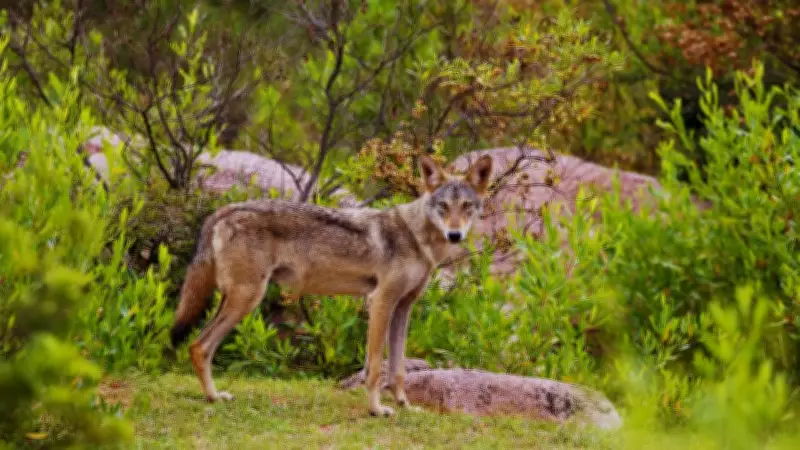
Unveiling the Indian Wolf: India's Overlooked Wilderness Predator
While India's wilderness is celebrated for majestic tigers, elephants, and leopards, a lesser-known yet equally fascinating predator roams its open landscapes: the Indian wolf. This elusive species thrives not in dense forests but in grasslands, scrublands, and semi-arid plains, habitats often neglected in conservation narratives. Recent developments from 2025 to 2026 have thrust the Indian wolf into the spotlight, highlighting sightings near Delhi and studies revealing that most of its estimated 3,000 individuals live outside protected reserves, frequently near human settlements. Spotting this rare creature is a privilege that underscores the importance of ecosystem awareness.
Velavadar Blackbuck National Park, Gujarat: The Premier Wolf Spotting Destination
Often dubbed "the closest spot to Africa's savannah in India," Velavadar Blackbuck National Park in Gujarat stands as the most reliable location for wolf sightings nationwide. Recent reports emphasize its unique environment, where Indian wolves coexist with large blackbuck herds, fostering a distinctive predator-prey dynamic in open habitats. Early mornings offer the best opportunities to observe wolves traversing grasslands or engaging in hunts, making this park a top choice for wildlife enthusiasts.
Solapur–Pune Region, Maharashtra: A Hub for Wolf Adaptability
The semi-arid expanses of the Deccan Plateau in Maharashtra, particularly around Solapur and grassland areas like Kadbanwadi near Pune, support one of India's largest surviving wolf populations. Notably, recent findings indicate that wolves here inhabit areas beyond protected boundaries, providing valuable insights into their behavioral adaptability to human-influenced landscapes. This region's significance lies in its role as a living laboratory for studying wolf resilience.

Jawai Hills, Rajasthan: A Rugged Refuge for Multiple Predators
While Jawai Hills in Rajasthan are renowned for their healthy leopard population, they have quietly emerged as a habitat for wolves in recent years. Reports suggest that the region's low human density and rugged, rocky terrain create ideal conditions for wolf survival. Although sightings are less common, early morning safaris through open spaces between granite outcroppings can yield glimpses of these elusive predators, adding to the area's biodiversity appeal.
Mahuadanr Wolf Sanctuary, Jharkhand: India's Sole Wolf Sanctuary
As India's only dedicated wolf sanctuary, Mahuadanr in Jharkhand's Palamau area holds critical importance for conservation efforts. Characterized by grassland plateaus where wolf dens have been documented, this sanctuary remains under-explored due to its inaccessibility. Recent updates confirm the presence of several wolf packs, highlighting its role as a vital refuge for the species amidst conservation challenges.
Melkote and Ranibennur Region, Karnataka: Scrubland Wolf Habitats
Karnataka has gained attention in recent updates as a region inhabited by Indian wolves, with areas like Melkote Temple Wildlife Sanctuary and Ranibennur Blackbuck Sanctuary serving as key habitats. These wolves are known to thrive in open scrublands, preying on hares and small ungulates. This region exemplifies the species' ability to adapt to diverse ecological niches across India.
Nauradehi Wildlife Sanctuary, Madhya Pradesh: A Promising Undisturbed Landscape
Nauradehi Wildlife Sanctuary in central India is gradually gaining recognition for its vast dry deciduous forests and grasslands, which provide suitable wolf habitats. While confirmed sightings are rare, the sanctuary's extensive, undisturbed land offers promising potential for wolf presence. Safaris at dawn or dusk are recommended for those seeking a glimpse, positioning Nauradehi as an offbeat destination with ecological renewal prospects.

Yamuna Floodplains, North Delhi: Surprising Urban Proximity Sightings
In a remarkable development, Indian wolves were spotted twice between 2025 and 2026 near the Yamuna floodplains in North Delhi's Palla area. These extremely rare sightings, possibly marking a return after decades, are attributed to dispersing wolves navigating fragmented habitats in search of territory. This occurrence underscores the species' resilience and the unexpected intersections between urban and wild spaces.
Exploring these seven locations not only enhances chances of spotting the Indian wolf but also fosters appreciation for its conservation needs. As human-wildlife interfaces evolve, understanding and protecting these habitats becomes paramount for preserving India's rich biodiversity.