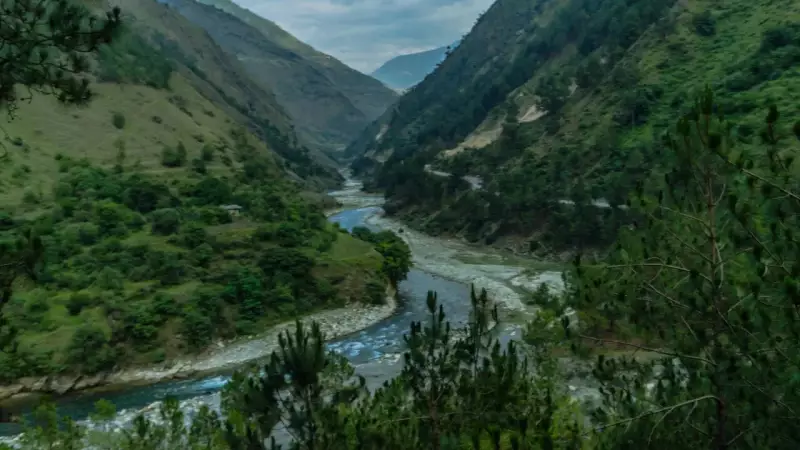
For many, a wildlife adventure in India conjures images of jeep rides through dusty trails. However, a deeper, more intimate connection with nature awaits those who choose to explore on foot. Across the country's diverse landscapes—from the mighty Himalayas and the lush Western Ghats to the remote Northeast—several national parks offer experiences where the journey is as significant as the destination. Here, the silence is broken only by bird calls, and animal tracks tell stories more compelling than distant sightings. For slow travellers, trekkers, and dedicated nature enthusiasts, walking through these protected areas provides an unparalleled immersion. We present a detailed guide to nine such national parks where your feet are the best vehicle for discovery.
Southern Sanctuaries: Rainforests and Rivers
Kerala's Silent Valley National Park stands as a pristine relic of tropical rainforest. Motorised vehicles are entirely prohibited within its core, preserving an ancient ecosystem. Exploration here is exclusively through guided forest walks, where visitors can encounter rare species like the lion-tailed macaque, Nilgiri langur, and a host of unique amphibians amidst towering, centuries-old trees.
Not far away, Periyar National Park in Kerala is a pioneer in promoting guided walking experiences within a tiger reserve. The park offers a variety of options, including nature walks, bamboo rafting combined with trekking, and even border patrol trails led by trained local guides. This model successfully blends conservation with community-led eco-tourism. A major highlight for visitors is the frequent sighting of wild elephants along the banks of the Periyar River during these walks.

Also in Kerala, Eravikulam National Park, located near Munnar, is a must-visit for its rolling grasslands and unique fauna. The park is the primary habitat of the endangered Nilgiri Tahr and is famous for the neelakurinji flowers that bloom once every twelve years. Designated walking trails and boardwalks allow visitors to enjoy scenic hikes and close encounters with the park's stunning landscape and wildlife.
Himalayan Highs: Treks in the Clouds
For trekking enthusiasts, Great Himalayan National Park in Himachal Pradesh is a UNESCO World Heritage Site designed for exploration on foot. There are no jeep safaris here. Instead, multi-day treks wind through dense forest trails, alpine meadows, and remote valleys, offering habitats for species like the Himalayan tahr, musk deer, and the elusive snow leopard.
Similarly, Sikkim's Khangchendzonga National Park, another UNESCO site, is accessed through legendary Himalayan treks such as the Dzongri and Goecha La trails. The park's challenging geography makes vehicle access to core zones impossible, preserving its pristine beauty. Trekkers are rewarded with spectacular views of the world's third-highest peak, crisp mountain air, and a profound sense of wilderness.
Eastern Wilderness and Birding Paradise
In the remote eastern state of Arunachal Pradesh lies Namdapha National Park, India's easternmost national park. Vast and largely inaccessible by road, it is primarily explored through guided trekking expeditions. Routes pass through an incredible range of forest types, from lowland rainforest to alpine zones, showcasing extraordinary biodiversity. Visitors are often serenaded by the distinctive calls of the Hoolock Gibbons, adding an auditory magic to the experience.
West Bengal's Neora Valley National Park is one of India's least disturbed forests, offering a true wilderness expedition. Guided treks through its dense, often misty, forests provide a chance to spot rare mammals like the red panda and the clouded leopard. The experience here is raw and immersive, far removed from typical tourist circuits.
Shifting from dense forests to wetlands, Rajasthan's Keoladeo National Park (Bharatpur) is a world-renowned bird sanctuary exceptionally friendly to walkers. Its network of wetland trails is perfect for birdwatching, allowing for close observation of species like the Sarus crane, painted stork, pelicans, and the rare Siberian crane. The slow pace of a walking tour also offers glimpses of other wildlife such as jackals, nilgai, and wild boar.

Goa's Green Heart
Beyond its famous beaches, Goa holds a natural treasure in the Mollem National Park (Bhagwan Mahavir). Nestled in the Western Ghats, this park is best known for its forest walks and treks that lead to waterfalls, ancient temples, and dense jungle interiors. Less crowded than other tourist spots, guided walking safaris here are an excellent way to understand Goa's rich natural and cultural heritage.
These nine parks demonstrate that sometimes, the most profound encounters with nature require slowing down, stepping out, and walking the earth quietly. They offer a transformative travel philosophy where the destination is not just a place to see, but a world to feel, step by step.