A new video showing Indian tourists dancing to the Bollywood song 'Chaiyya Chaiyya' on Hanoi's famous Train Street has sparked widespread criticism and concerns about tourist behavior. This incident comes just days after another viral video of Indian tourists performing garba on an airport runway in Vietnam drew backlash.
The Viral Video
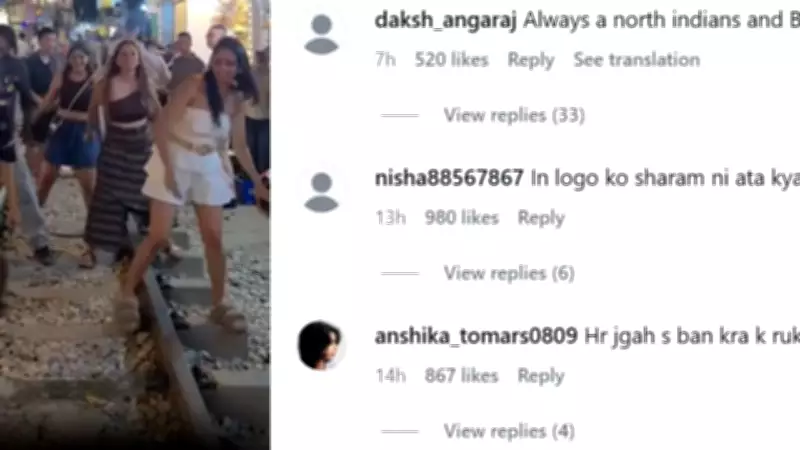
The clip, shared online in late May 2026, shows a group of tourists dancing on the railway tracks while fellow travelers watch from nearby cafes. The video is captioned 'filmy heart, global streets' with a superimposed text reading, 'Vietnam ki train street gae aur chaiya chaiya nai kiya to kya train street gaye.' What began as a light-hearted holiday moment has quickly turned into a conversation about responsible tourism and India's image abroad.
Hanoi Train Street: A Controlled Attraction
Hanoi Train Street is a narrow railway line passing through a densely populated residential neighborhood, where trains move just inches away from houses, cafes, and people. It gained popularity through travel blogs, Instagram, and YouTube, but overcrowding and safety concerns led Vietnamese authorities to impose strict regulations. Visitors are required to follow instructions from locals and authorities when trains approach.

Online Debate and Backlash
The video has ignited an online debate. Many users criticized the tourists, with comments like 'In logo ko sharam nahi aati' and 'Kar ye rhe h sharam mujhe aari hai.' One user wrote, 'I have been to Vietnam many times... they just hate Indians... please stop doing such behaviour because people like us have to face racism because of people like you.' Some critics described the behavior as 'main character syndrome'—treating public spaces as personal stages for content creation.
This debate highlights a broader trend: the rise of travel content designed for short-form video platforms. From elaborate dance routines to staged photo shoots, some tourists view destinations solely through the lens of content creation, which can harm local environments and inconvenience locals. Safety risks are also significant, as visitors must remain alert and clear pathways when trains approach.
Supportive Voices
However, some supporters argued that people should be allowed to enjoy their holidays and express themselves through dance. They questioned why dancing abroad attracts criticism when flash mobs are celebrated elsewhere. The controversy underscores a constant challenge in modern tourism: balancing enjoyment with respect for local rules and public safety.
About the Author: The TOI Lifestyle Desk is a dynamic team of journalists curating lifestyle news for The Times of India readers, covering fashion, travel, food, and wellness.