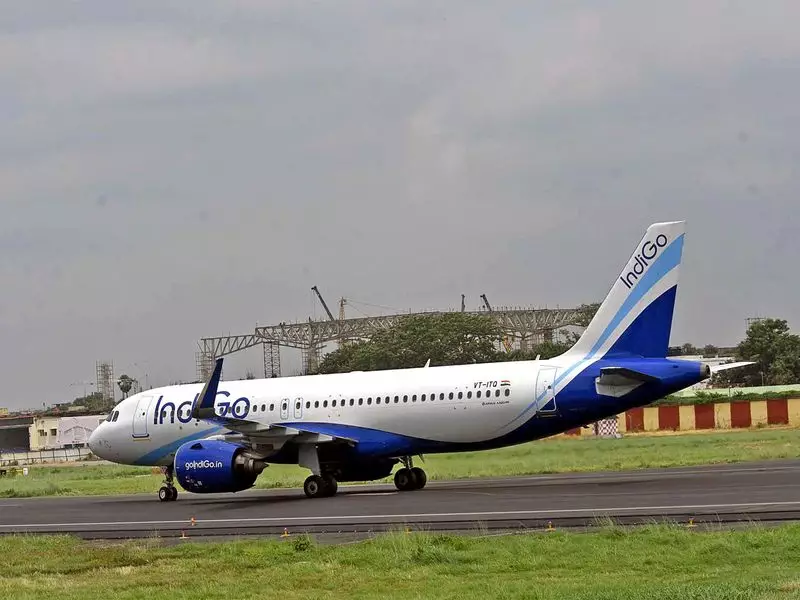
India's largest airline, IndiGo, was forced to cancel a significant number of its scheduled services on Monday, causing widespread inconvenience for travelers. The carrier cited a combination of adverse weather conditions and operational challenges as the primary reasons behind the massive disruption.
Widespread Disruption Across Key Airports
The impact of the cancellations was felt across several major aviation hubs in the country. Indigo cancelled a total of 67 flights originating from various airports. A major portion of these cancellations, approximately 48 flights, were from the Indira Gandhi International Airport (IGI) in Delhi alone. Other affected airports included those in Bangalore, Hyderabad, and Kolkata, highlighting the nationwide scale of the disruption.
An official spokesperson for the airline confirmed the news, stating that the decision was made due to unforeseen operational issues compounded by the ongoing bad weather. The adverse weather, particularly in North India, has been creating persistent challenges for flight operations, leading to cascading delays and crew scheduling problems.

Passenger Advisory and Proactive Communication
In response to the situation, IndiGo has been proactively reaching out to affected passengers. The airline is offering them the option to either receive a full refund or rebook their flights on alternative dates, subject to availability. This move is part of their standard protocol to manage such large-scale disruptions and minimize passenger distress.
Passengers booked on IndiGo flights are strongly advised to check their flight status via the airline's official website or mobile app before heading to the airport. The airline also recommended using its web check-in facilities to avoid unnecessary queues and congestion at airport counters, which are likely to be higher than usual due to the cancellations.
Broader Context of Weather Woes
The flight cancellations come amidst a period of intense weather activity affecting several parts of India. Northern regions, including Delhi, have been experiencing dense fog, low visibility, and rain, which severely impact flight take-offs and landings. Such conditions often lead to extended ground delays, crew duty time limitations, and aircraft being out of position, creating a domino effect on the airline's network throughout the day.
Operational issues, which can range from aircraft maintenance requirements to resource planning challenges, when combined with weather disruptions, can significantly strain an airline's schedule. IndiGo's decision to preemptively cancel flights is seen as an effort to stabilize its network and prevent last-minute chaos at airports, though it inevitably disrupts travel plans for thousands.
This incident underscores the vulnerability of air travel to meteorological factors and the complex logistics of modern airline operations. It serves as a reminder for travelers, especially during seasons prone to fog, rain, or cyclones, to factor in potential delays and stay informed through official channels. The airline has assured that its teams are working to normalize operations as soon as weather conditions improve and operational constraints are resolved.