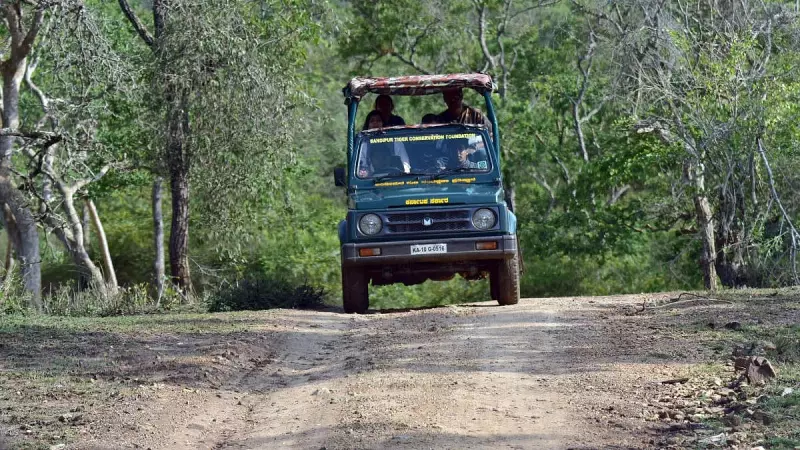
The Karnataka Eco-Tourism Resorts Association (KETRA) has formally requested the state's tourism minister to commission a detailed scientific study. This study would assess the impact of safari tourism on local wildlife populations. The move comes as resort owners report significant financial losses they directly attribute to current regulations and concerns.
Formal Appeal to the Tourism Ministry
In a letter dated 30 December 2025, the association outlined its growing concerns. KETRA, which represents numerous eco-tourism resorts across the state, claimed its members have faced severe and quantifiable losses. The letter serves as a direct appeal for government intervention and a more evidence-based approach to managing wildlife tourism.
Core Concerns and Demands
The association's primary argument hinges on the need for concrete data. While the intent to protect wildlife is undisputed, KETRA suggests that policies may lack a solid scientific foundation regarding the actual effects of safari operations. They are urging for a comprehensive review that examines both the ecological footprint of tourism and its economic consequences for legitimate businesses operating in the sector.

The resorts emphasize their role in promoting conservation through responsible tourism. However, they argue that without a clear understanding of the safari's impact on wildlife, regulations might be ineffective or unnecessarily punitive, harming both conservation efforts and local livelihoods.
Looking Ahead: Implications for Policy
This appeal puts the spotlight on the balance between conservation and sustainable tourism development in Karnataka. The state is home to several renowned national parks and wildlife sanctuaries, making this a critical issue. The outcome of this request could influence future wildlife tourism policies not just in Karnataka, but potentially set a precedent for other states in India.
A government-commissioned scientific study would provide an authoritative basis for any regulatory changes. It could lead to more nuanced rules governing safari timings, vehicle numbers, designated zones, and overall carrying capacities of sensitive forest areas.
The ball is now in the court of the state's tourism and forest departments. Their response to KETRA's plea for a scientific study on wildlife impact will be closely watched by conservationists, tourism operators, and local communities alike.