Five Unusual Global Sculptures That Captivate Tourists and Cameras
Public art sculptures serve as powerful expressions of a society's creativity, humor, and imagination. While many honor historical events or leaders, some artists craft such distinctive and quirky pieces that they instantly become global attractions. Whether it's a colossal spider or a giant hand emerging from desert sands, these sculptures intrigue travelers, inviting them to visit and experience these artworks firsthand. From the ancient mystery of the Moai statues to modern wonders like Cloud Gate, these sculptures demonstrate that art can be both perplexing and fascinating simultaneously. Their unconventional designs and striking environments establish them as unforgettable landmarks, drawing curious visitors from across the globe.
The Kelpies - Scotland
Dominating the landscape at The Helix in Falkirk, The Kelpies are two monumental horse-head sculptures standing 30 meters tall. Designed by sculptor Andy Scott, these statues pay homage to Scotland's industrial heritage and the robust working horses that once pulled canal barges. Constructed from shiny steel, their massive size makes them visible from great distances, particularly when illuminated at night. Today, they rank among Scotland's most frequently photographed contemporary landmarks, symbolizing strength and historical legacy.
Cloud Gate – USA
Located in Millennium Park in Chicago, USA, Cloud Gate stands as one of the world's most iconic modern sculptures. Created by renowned artist Anish Kapoor, this stainless steel structure is affectionately nicknamed 'The Bean' due to its distinctive shape. Its reflective surface generates illusions that vary with the viewer's perspective, captivating tourists who enjoy walking beneath its arch to see multiple images of themselves mirrored in its surface. Beyond its futuristic appearance, Cloud Gate is unusual for integrating the surrounding cityscape into the artwork itself, making it a dynamic part of urban life.

Moai Statues – Chile
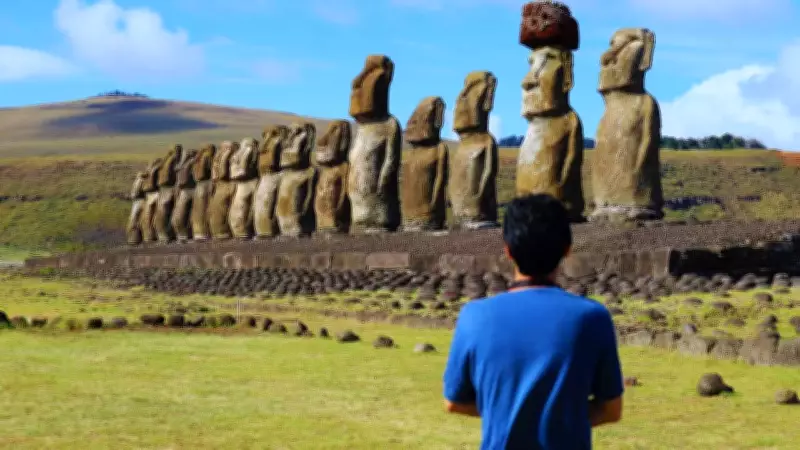
On Easter Island, also known as Rapa Nui, in the Pacific Ocean off Chile's coast, lie the world's most enigmatic sculptures: the Moai statues. Erected by the Rapa Nui people between the 13th and 16th centuries, nearly 1,000 of these figures dot volcanic formations across the island. Many weigh several tons and stand several meters tall, characterized by large heads, elongated noses, deep-set eyes, and solemn expressions. Sites like Ahu Tongariki, with rows of restored Moai, have become among the most photographed locations in the Pacific, offering a glimpse into ancient Polynesian culture.
Hand of the Desert – Chile
Emerging dramatically from the sands of the Atacama Desert, the Hand of the Desert, or Mano del Desierto, is a giant sculpture of a human hand rising from the ground. Crafted by Chilean sculptor Mario Irarrázabal and situated near Antofagasta, this artwork stands approximately 11 meters tall, evoking the image of a colossal person buried beneath the desert. The stark contrast between the desolate desert landscape and the massive concrete hand creates an eerie and memorable sight, highlighting themes of isolation and human presence in nature.
Maman – Bilbao
Outside the Guggenheim Museum in Bilbao, visitors encounter Maman, a striking giant spider sculpture by French artist Louise Bourgeois. Towering over 30 feet tall with long, spindly legs, it may appear intimidating but symbolizes the artist's mother, a weaver, drawing parallels to a spider's nurturing qualities. Its unusual design and immense scale make it one of Bilbao's most photographed sculptures, blending art with personal narrative in a public space.