

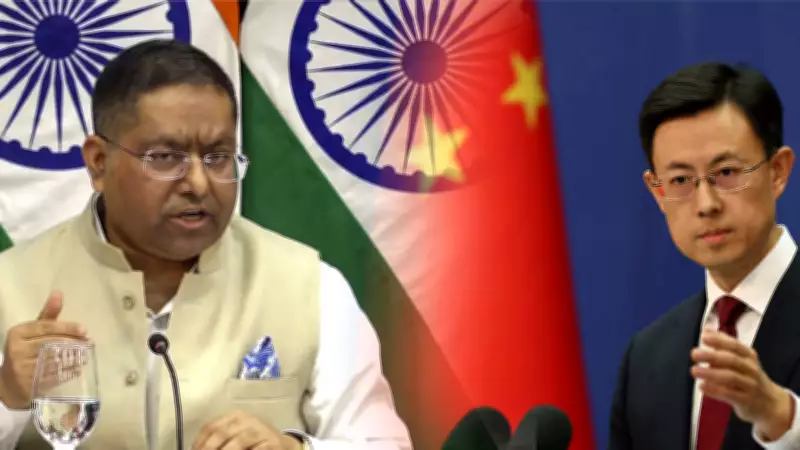
China Defends Renaming of Arunachal Pradesh Locations as India Slams 'Mischievous Attempt'
China has firmly defended its recent decision to rename several places in India's northeastern state of Arunachal Pradesh, referring to the region as "Zangnan" or "Southern Tibet." This move has sparked a sharp diplomatic response from New Delhi, with India labeling the action as a "mischievous attempt" that could undermine bilateral relations.
China's Justification and Territorial Claims
Chinese Foreign Ministry spokesperson Guo Jiakun stated that standardizing geographical names in what Beijing calls "Zangnan" is an exercise of China's sovereign rights. He emphasized that the area is considered part of Chinese territory, and therefore, the renaming falls within the country's legitimate jurisdiction. Guo added that China does not recognize Arunachal Pradesh as established by India, reiterating long-standing claims over the region.
Despite the contentious issue, China highlighted that overall bilateral relations with India remain generally stable. The spokesperson expressed hope that both nations would continue working towards improving ties, suggesting a desire to manage disagreements without escalating tensions.

India's Strong Rejection and Diplomatic Warning
India has vehemently rejected China's renaming move, dismissing the new names as "fictitious" and without any legal or historical basis. Officials in New Delhi warned that such actions could harm ongoing efforts to normalize relations between the two countries, which have been strained by border disputes and military standoffs in recent years.
The Indian government reiterated its firm stance that Arunachal Pradesh is an integral and inalienable part of India. This response underscores India's commitment to defending its territorial integrity and sovereignty against what it perceives as provocative measures by Beijing.
Background and Regional Implications
The renaming controversy is not an isolated incident but part of a broader pattern of territorial disputes between China and India. Arunachal Pradesh has been a flashpoint in bilateral relations, with both countries asserting historical and administrative claims over the region. Previous incidents include military clashes and diplomatic spats, making this latest development a sensitive issue in the complex India-China dynamic.
Analysts note that such moves by China are often seen as attempts to reinforce its territorial claims through administrative measures. However, India's robust rejection signals that New Delhi will not acquiesce to changes that challenge its sovereignty. The situation highlights the delicate balance both nations must maintain to prevent disputes from derailing broader diplomatic and economic engagements.
As both sides navigate this latest controversy, the international community watches closely, given the strategic importance of the region and the potential for regional instability. The outcome of this diplomatic exchange could influence future border negotiations and the overall trajectory of India-China relations in the coming years.






