

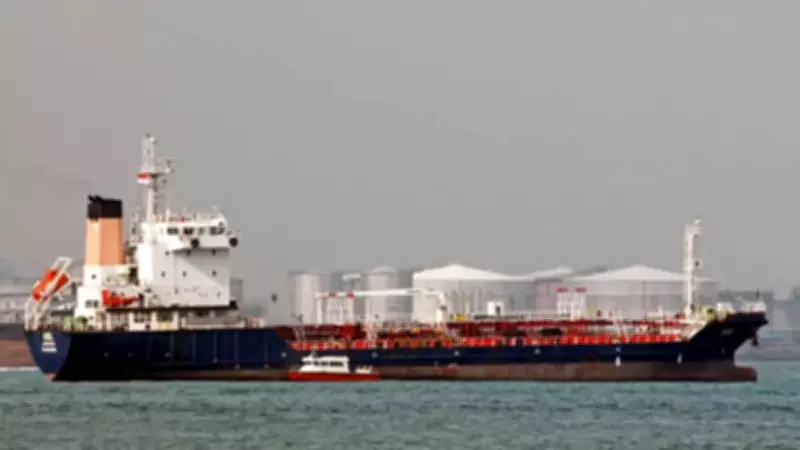
Indian Coast Guard Dismantles International Oil Smuggling Network in Coordinated Operation
The Indian Coast Guard (ICG) executed a meticulously planned sea-air operation on February 5–6, intercepting three vessels approximately 100 nautical miles west of Mumbai. This decisive action successfully busted a sophisticated international oil smuggling racket that had been operating in the region.
Technology-Driven Surveillance Uncovers Suspicious Activity
The operation was initiated following intelligence gathered through advanced, technology-enabled maritime surveillance systems. The Coast Guard's digital monitoring first detected a motor tanker exhibiting highly suspicious behavior within the Indian Exclusive Economic Zone (EEZ).
This initial detection prompted a comprehensive digital investigation and data-pattern analysis, which subsequently identified two additional vessels converging on the tanker. The coordinated movements raised immediate suspicions of an illicit oil transfer at sea, triggering the Coast Guard's response.

Modus Operandi of the Smuggling Syndicate
According to detailed information shared by the Indian Coast Guard on social media platform X, the smuggling syndicate exploited mid-sea ship-to-ship transfers in international waters to move cheap oil sourced from conflict-ridden regions to motor tankers. This elaborate scheme was designed specifically to evade customs duties owed to coastal states, including India.
The Coast Guard revealed that the vessels frequently changed their identities as a deliberate strategy to avoid detection and enforcement by coastal authorities. This practice of identity switching represented a significant challenge for maritime law enforcement agencies operating in the area.
Sustained Boarding and Investigation Operations
Specialist boarding teams from the Coast Guard intercepted all three vessels and conducted sustained rummaging operations. Through electronic data corroboration, meticulous verification of documents, and thorough interrogation of crew members, investigators exposed both the detailed modus operandi and the extensive global handler network behind the smuggling operation.
Initial investigations uncovered that the racket was coordinated by a network of handlers operating from multiple countries. These international operatives managed the sale and transfer of oil cargo between seagoing vessels, creating a complex web of illicit maritime commerce.
Broader Implications for Maritime Security
The Coast Guard emphasized that this successful crackdown reinforces India's role as what it described as a "net provider of maritime security and guardian of the rules-based international order" in the region. The operation demonstrates India's commitment to maintaining security and enforcing international maritime laws within its sphere of influence.
The intercepted vessels are currently being escorted to Mumbai for further comprehensive investigation. Upon arrival, they will be handed over to Indian Customs authorities and other relevant law enforcement agencies for appropriate legal action against those involved in the smuggling network.
This operation highlights the increasing sophistication of maritime smuggling operations and the corresponding need for advanced technological surveillance and coordinated international cooperation to combat such illicit activities effectively.






