

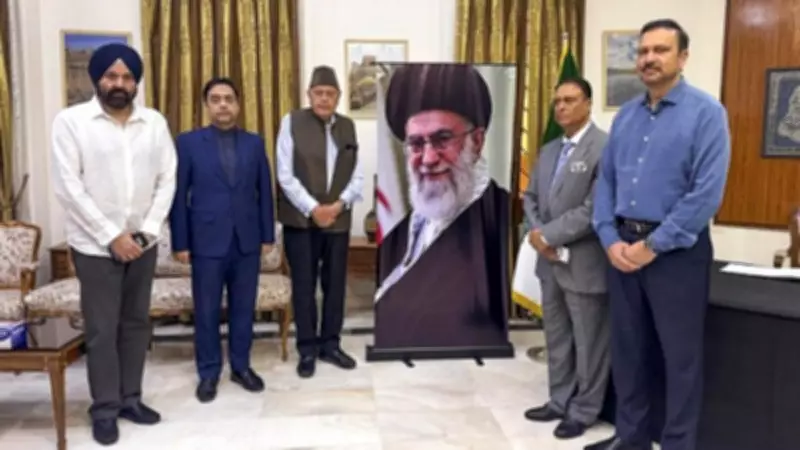
Farooq Abdullah Extends Condolences to Iran Following Ayatollah Khamenei's Death
In a significant diplomatic gesture, veteran Indian politician and former Chief Minister of Jammu and Kashmir, Farooq Abdullah, met with Iran's deputy ambassador to India. The meeting, which took place recently, was primarily focused on expressing heartfelt condolences following the passing of Iran's Supreme Leader, Ayatollah Ali Khamenei. This interaction underscores the ongoing diplomatic ties between India and Iran during a period of mourning for the Islamic Republic.
Solidarity with the Iranian People
During the meeting, Farooq Abdullah conveyed his deep sympathy and solidarity with the people of Iran. He emphasized that the loss of Ayatollah Khamenei is not merely a national tragedy for Iran but resonates across the broader region. Abdullah, known for his long-standing political career and advocacy for peace, highlighted the profound impact of such events on international relations and regional stability.
Abdullah stated, "It is not only the region that is suffering, but the entire world has also been engulfed in an unwanted crisis." This remark reflects his concern over the escalating global tensions and conflicts that have been exacerbated by recent geopolitical developments. He pointed out that the death of a key figure like Khamenei adds to the existing challenges faced by nations worldwide, urging for unity and dialogue to address these issues.

Context and Implications
The meeting between Farooq Abdullah and Iran's deputy ambassador comes at a critical juncture. Ayatollah Ali Khamenei, who served as Iran's Supreme Leader for decades, was a pivotal figure in shaping the country's policies and its stance on international affairs. His death has sparked widespread mourning in Iran and has implications for the Middle East's political landscape, potentially influencing Iran's future direction and its relations with other countries, including India.
India and Iran share historical and economic ties, particularly in areas such as energy trade and regional security. Abdullah's gesture of condolence aligns with India's diplomatic efforts to maintain cordial relations with Iran, despite the complex geopolitical environment. It also highlights the role of Indian politicians in fostering cross-border empathy and understanding during times of crisis.
Global Crisis Concerns
Farooq Abdullah's comments about the global crisis being "unwanted" resonate with ongoing international concerns. The world is currently grappling with multiple challenges, including political unrest, economic instability, and humanitarian issues. By linking Khamenei's death to these broader crises, Abdullah underscores the interconnectedness of global events and the need for collaborative solutions.
This meeting serves as a reminder of the importance of diplomatic engagements in times of sorrow. It also reflects Abdullah's personal commitment to peace and solidarity, values he has championed throughout his political career. As Iran navigates this transition, such gestures from international figures can help in building bridges and promoting stability.
In summary, Farooq Abdullah's meeting with Iran's deputy ambassador was a poignant expression of condolence and solidarity. It not only addressed the immediate loss of Ayatollah Khamenei but also highlighted the wider global crises affecting nations today. This diplomatic interaction reinforces the significance of empathy and dialogue in international relations, especially during periods of uncertainty and change.






