

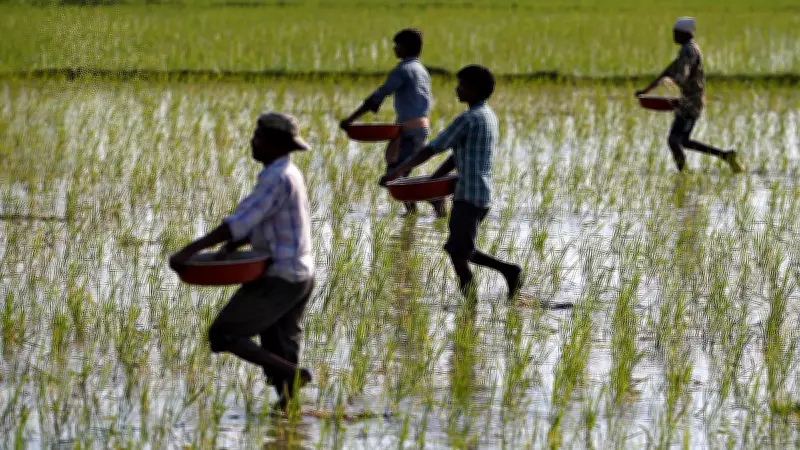
India Confirms No Fertilizer Shortage Despite West Asia Conflict
The Indian government has issued a strong assurance that there is no shortage of fertilizers in the country, even as tensions and conflicts continue to escalate in the West Asia region. This statement comes amid growing concerns from farmers and agricultural stakeholders about potential disruptions to the supply chain due to geopolitical instability.
Government's Firm Assurance on Uninterrupted Supplies
External Affairs Ministry Spokesperson Randhir Jaiswal addressed the media, stating that all international partners have provided firm assurances of uninterrupted fertilizer supplies to India. He emphasized that the government is actively working to ensure that stocks remain robust and reliable as the agricultural season progresses.
"All our partners have assured us of uninterrupted supplies, and we hope to attain and maintain comfortable fertilizer stocks by the time Kharif demand peaks by May 15," Jaiswal said. This proactive approach aims to preempt any potential shortages and support the farming community during the critical planting period.

Current Stock Levels Show Improvement Over Last Year
In a significant development, Jaiswal highlighted that the current stocks of urea, a key fertilizer for Indian agriculture, are actually higher than they were at the same point last year. This indicates a positive trend in inventory management and supply chain resilience, despite external challenges.
"Our stocks of urea are more than what they were at this point last year," he noted, underscoring the government's efforts to build buffer stocks and mitigate risks associated with global conflicts. This data provides reassurance to farmers who rely heavily on timely fertilizer availability for optimal crop yields.
Focus on Kharif Season and Agricultural Stability
The Kharif season, which typically sees peak fertilizer demand around mid-May, is a crucial period for Indian agriculture. The government's assurance is timed to align with this seasonal requirement, ensuring that farmers have access to necessary inputs without disruption.
Key points from the government's strategy include:
- Maintaining strong diplomatic ties with fertilizer-exporting countries to secure supplies.
- Monitoring global market trends and conflict impacts in West Asia to adjust procurement plans.
- Enhancing domestic production and distribution networks to reduce dependency on imports.
- Providing regular updates to stakeholders to prevent panic buying or hoarding.
This comprehensive approach aims to safeguard India's agricultural productivity and food security, even in the face of international uncertainties. The government's proactive stance reflects its commitment to supporting the farming sector, which is vital for the nation's economy and rural livelihoods.






