India has clarified that its engagement with New Zealand is centred on facilitating the mobility of high-skilled professionals, not the broader migration debate. This distinction comes as Wellington considers stricter immigration rules that could affect Indian nationals.
MEA Secretary clarifies stance
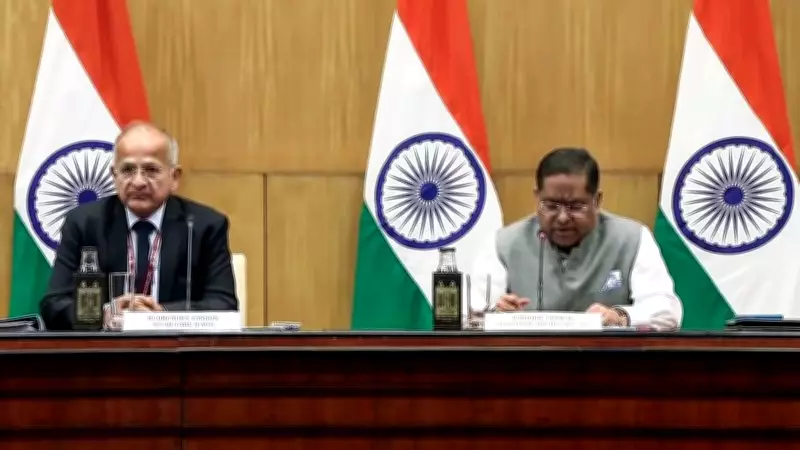
Responding to a question ahead of the Prime Minister’s visit to New Zealand, MEA Secretary (East) Rudrendra Tandon said migration and mobility should not be conflated. “We are aware that there is a lot of discussion in many countries, not just New Zealand, on the whole issue of migration. But our focus is actually mobility. It is part and parcel of our trade agreements, and it is very important to maintain that distinction,” Tandon said during a special media briefing on Friday.
Focus on high-skilled professionals
Tandon highlighted that the Government of India has consistently worked to improve opportunities for the movement of Indian professionals, particularly high-skilled workers, business leaders and technical experts. “The Government of India has been trying to improve prospects of mobility for our high-skilled workers, our CEOs and our technical experts because experience has shown us that the hassles faced by our technical experts often create the effect of a de facto non-tariff barrier,” he said.

FTA negotiations address mobility
Tandon noted that the issue had been addressed during negotiations on the recently signed India-New Zealand Free Trade Agreement (FTA). “In fact, this question was tried to be addressed in the recently signed India-New Zealand FTA and, of course, once it comes into effect, we will know how successful that has been,” he said.
Broader immigration debates
His remarks come amid growing debates in several countries over tightening immigration policies. India has increasingly sought dedicated mobility provisions in its trade agreements, arguing that easier movement of professionals is essential for expanding trade, investment and services, while distinguishing such provisions from immigration policies governing long-term settlement.