

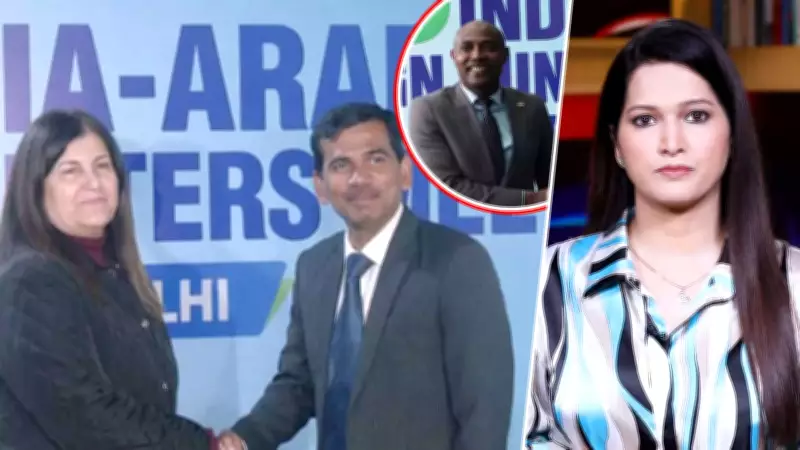
India Hosts Arab Foreign Ministers After Decade, Signaling Strategic Reset In West Asia
India's decision to host Arab foreign ministers after a significant ten-year gap represents far more than a mere diplomatic revival. This high-level gathering signals a profound strategic recalibration in India's approach to West Asia, reflecting New Delhi's evolving global posture and regional priorities.
Comprehensive Engagement With All Arab League Nations
The meeting brings together representatives from all twenty-two Arab League countries, creating a comprehensive platform for dialogue that hasn't been seen since the last ministerial meeting in 2016. This inclusive approach demonstrates India's commitment to engaging with the entire Arab world as a cohesive regional bloc, rather than pursuing fragmented bilateral relationships.
Energy security, trade expansion, and educational cooperation form the central pillars of discussion, highlighting the multidimensional nature of India-Arab relations. These priority areas reflect both immediate economic necessities and long-term strategic interests that bind the regions together.

Geopolitical Context And Strategic Significance
The revival of this diplomatic platform comes at a particularly significant moment in global geopolitics. Since the last meeting in 2016, the international landscape has undergone dramatic transformations, with shifting alliances, economic realignments, and emerging security challenges reshaping relationships across continents.
Arab nations continue to serve as vital suppliers of oil and natural gas to India's rapidly growing economy, while India's economic ascent has positioned it as an indispensable partner for Arab countries seeking diversification beyond traditional Western markets. This mutual interdependence creates a strong foundation for enhanced cooperation.
Notable Participations And Symbolic Messages
The participation of Palestine carries particular significance, underscoring India's long-standing political stance on Middle Eastern issues and its balanced approach to regional conflicts. Meanwhile, Libya's presence marks that nation's return to broader international engagement following years of internal turmoil, with India playing a facilitating role in this diplomatic rehabilitation.
Alongside the summit, the launch of the India–Arab Chamber of Commerce highlights New Delhi's focus on creating structured mechanisms for economic integration. This institutional framework aims to facilitate smoother trade flows, investment partnerships, and business collaborations between Indian and Arab enterprises.
Strategic Implications And Future Trajectory
At a time of global uncertainty and realigning international relationships, India is sending a clear signal that its ties with the Arab world are strategic, multidimensional, and central to its vision of becoming a leading global power. This diplomatic initiative represents a conscious effort to deepen relationships beyond transactional exchanges toward comprehensive partnerships.
The timing of this engagement suggests India recognizes the Arab world's growing importance in an increasingly multipolar global order. By revitalizing this forum after a decade, New Delhi demonstrates its commitment to playing a more active role in West Asian affairs while advancing its own economic and strategic interests through enhanced regional cooperation.






