India Joins Global Coalition Criticizing Israel's West Bank Actions Before UN Meeting
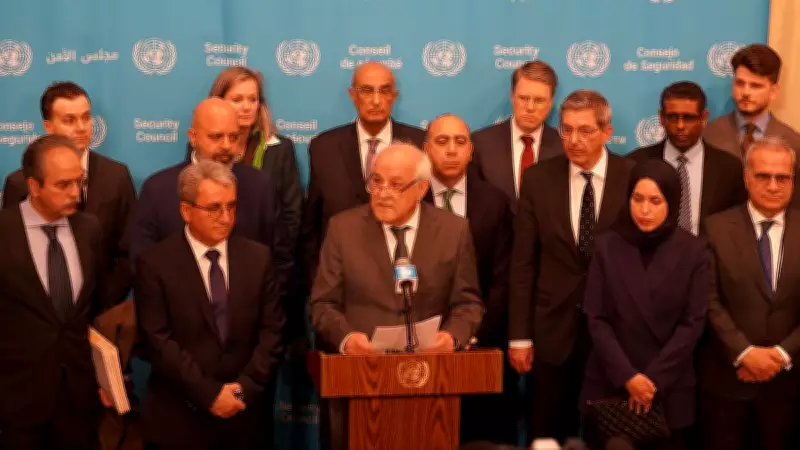
In a significant diplomatic move, India has joined a broad international coalition that is strongly criticizing Israel's unilateral measures in the West Bank. This development comes just ahead of a crucial United Nations meeting, highlighting the growing global concern over the situation.
Broad International Alliance Forms Against Israeli Actions
The coalition includes a diverse array of nations and blocs, demonstrating widespread opposition to Israel's recent steps. Key members of this alliance are the League of Arab States and the European Union, both of which have expressed firm disapproval. Additionally, BRICS founder members—Russia, China, Brazil, and South Africa—have aligned with this position, underscoring the issue's importance across different geopolitical spheres.
Notably, India's Quad partners, Australia and Japan, are also part of this coalition, indicating a rare moment of consensus among these strategic allies on a sensitive international matter. This alignment is particularly significant given the Quad's usual focus on Indo-Pacific security issues.

Regional Neighbors Unite in Criticism
The coalition's reach extends to India's immediate neighborhood, with several neighboring countries adding their voices to the criticism. Bangladesh, Maldives, Mauritius, and Pakistan have all signed on as signatories to the joint position. This regional solidarity amplifies the message and shows that concerns about Israel's West Bank measures are not limited to distant nations but resonate closer to home as well.
The timing of this coordinated criticism is crucial, as it precedes a key United Nations meeting where the West Bank situation is expected to be a major topic of discussion. By joining this global chorus, India is positioning itself as an active participant in international diplomacy, balancing its traditional ties with Israel with its broader foreign policy principles and regional relationships.
This move reflects India's evolving stance on Middle East issues, where it seeks to maintain strategic partnerships while also addressing humanitarian and political concerns. The inclusion of both BRICS members and Quad partners in the coalition suggests a complex diplomatic landscape, with India navigating multiple alliances to express its position on this contentious issue.