

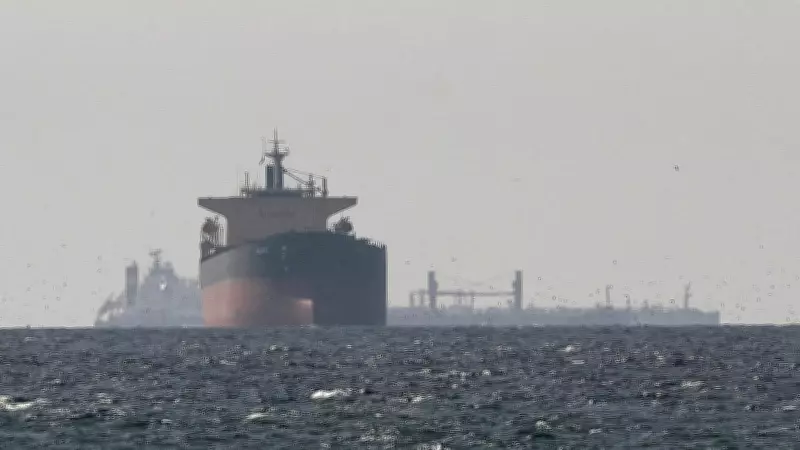
India Urgently Negotiates Safe Passage for 22 Stranded Vessels Near Strait of Hormuz
In a critical development amid a deepening global energy crisis, the Indian government is actively seeking safe passage for 22 vessels that are currently stranded in the volatile waters around the Strait of Hormuz. This strategic chokepoint, a vital artery for global oil and gas shipments, has become a focal point of international tension, prompting urgent diplomatic efforts from New Delhi.
Details of the Stranded Fleet Revealed by Shipping Ministry Official
Special Secretary at the Indian Ministry of Shipping, Rajesh Kumar Sinha, provided a detailed breakdown of the affected vessels during a press conference. The stranded fleet comprises a significant number of energy carriers, highlighting the severe implications for supply chains. Specifically, the list includes four crude oil vessels, six liquefied petroleum gas (LPG) carriers, and one liquefied natural gas (LNG) vessel. The presence of these high-value cargo ships underscores the economic and strategic stakes involved in securing their safe transit.
Context of the Crisis and India's Diplomatic Push
This situation arises against a backdrop of heightened geopolitical instability in the region, which has exacerbated the ongoing global energy crisis. The Strait of Hormuz is a narrow passage between the Gulf of Oman and the Persian Gulf, through which approximately one-fifth of the world's oil passes. Any disruption here can have immediate and far-reaching consequences on energy prices and availability worldwide.

India, as a major importer of energy resources, is particularly vulnerable to such disruptions. The government's efforts are focused on diplomatic channels to ensure the safe and unimpeded movement of these vessels. This initiative follows two earlier successful passages, indicating a pattern of challenges in the area that requires continuous monitoring and intervention.
Implications for Global Energy Markets and India's Economy
The stranding of these vessels poses a direct threat to energy security, not just for India but for the global market. The crude oil, LPG, and LNG onboard are essential commodities, and delays could lead to:
- Increased fuel prices due to supply constraints.
- Potential shortages in critical sectors like transportation and manufacturing.
- Heightened risks for shipping companies and insurers operating in the region.
India's proactive stance in seeking safe passage reflects its commitment to stabilizing energy imports and mitigating the impact of the crisis on its economy. The shipping ministry, under Sinha's guidance, is coordinating with international partners to navigate the complex maritime and political landscape.
Looking Ahead: Challenges and Resolutions
As the situation evolves, the Indian government remains vigilant, emphasizing the need for peaceful resolution and adherence to international maritime laws. The safe passage of these 22 vessels is crucial to preventing further escalation of the energy crisis. Stakeholders are closely watching developments, hoping for a swift and secure outcome that ensures the continuous flow of vital energy resources through one of the world's most strategic waterways.






