

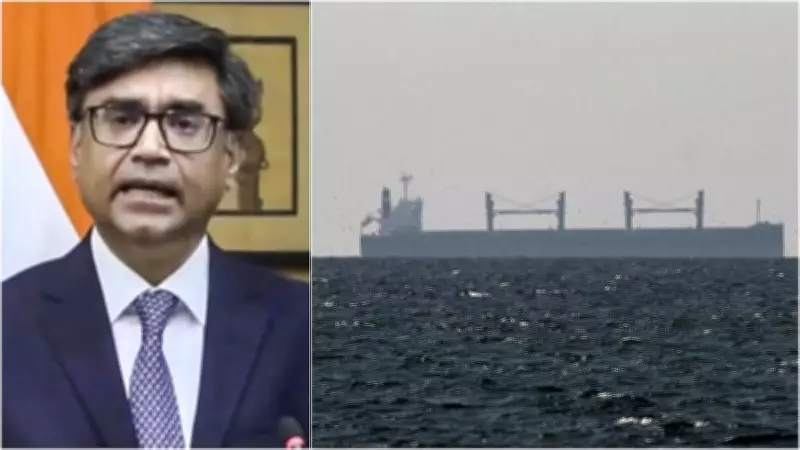
India Urges De-escalation as Strait of Hormuz Blockade Disrupts Global Shipping
India has formally called for immediate de-escalation and diplomatic resolution as a partial blockade of the strategic Strait of Hormuz by Iran continues to severely disrupt international shipping lanes. The critical maritime chokepoint, through which approximately one-fifth of the world's oil and a significant portion of global liquefied natural gas (LNG) passes, has seen its traffic crippled, triggering alarms across global energy markets and supply chains.
Strategic Waterway Under Siege
The blockade, initiated by Iran, has effectively restricted the flow of vessels through the narrow strait, a vital artery connecting the Persian Gulf with the Gulf of Oman and the wider Indian Ocean. This action has led to a dramatic reduction in the transit of oil tankers and gas carriers, causing immediate spikes in global energy prices and raising fears of prolonged supply shortages. The disruption is particularly acute for nations heavily reliant on imports from the Middle East, including many Asian economies.
Global oil and gas supplies have been thrown into disarray, with shipping companies reporting delays, rerouting, and increased insurance premiums. The International Energy Agency (IEA) has warned of potential stockpile drawdowns if the situation persists, which could exacerbate inflationary pressures worldwide.

India's Diplomatic Stance
In response to the escalating crisis, Indian diplomatic channels have been actively engaged. High-level meetings were convened to address the blockade's implications for India's energy security and its broader economic interests. India, a major importer of oil and gas from the region, emphasized the need for peaceful dialogue and adherence to international maritime laws.
"The stability of the Strait of Hormuz is paramount for global energy security and economic stability," stated an official from India's Ministry of External Affairs. "We urge all parties to exercise restraint and seek a diplomatic solution to prevent further escalation that could have catastrophic consequences for the global economy."
India's call for de-escalation underscores its strategic interest in maintaining free and secure navigation through international waterways, a principle vital for its energy imports and export-oriented trade.
Broader Regional and Global Implications
The blockade has heightened tensions in an already volatile West Asia region, drawing concerns from international bodies and key global powers. The United Nations has expressed alarm over the potential for broader conflict, while the United States and European nations are monitoring the situation closely, considering responses to safeguard maritime freedom.
- Energy Market Volatility: Brent crude oil prices have surged by over 15% since the blockade began, reflecting market jitters over sustained supply cuts.
- Shipping Logistics: Alternative routes are being explored, but they are longer and more costly, increasing freight charges and delivery times.
- Geopolitical Risks: The crisis risks drawing in regional actors and could lead to a wider confrontation if not managed through diplomacy.
As the blockade enters a critical phase, India's advocacy for de-escalation highlights its role as a responsible stakeholder in global affairs. The international community watches closely, hoping for a swift resolution to restore normalcy to one of the world's most crucial shipping corridors.






