

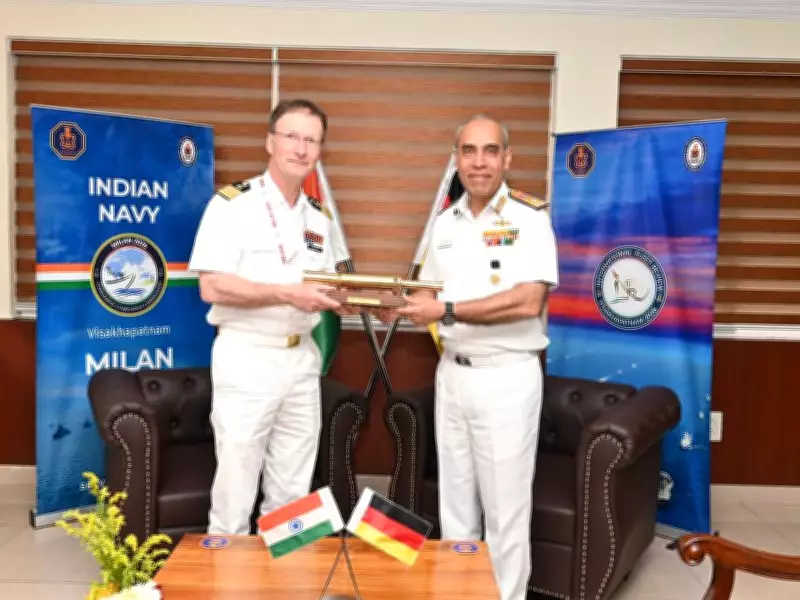
Indian Navy's Deputy Chief Strengthens Ties with German Counterpart in High-Level Bilateral Interaction
In a significant move to bolster international maritime collaboration, Vice Admiral Tarun Sobti, the Deputy Chief of the Indian Naval Staff, recently engaged in a bilateral interaction with Vice Admiral Axel Deertz, the Fleet Commander of the German Navy. This high-level meeting underscores the growing strategic partnership between India and Germany in the naval domain, focusing on shared security interests and operational synergy.
Key Discussions on Maritime Security and Cooperation
The interaction between the two senior naval officers centered on enhancing bilateral naval cooperation, with discussions covering a wide range of topics. Maritime security in the Indo-Pacific region was a primary focus, reflecting both nations' commitment to ensuring freedom of navigation and stability in these crucial waters. Additionally, they explored opportunities for joint exercises, training programs, and technological exchanges to improve interoperability between the Indian and German navies.
Vice Admiral Sobti emphasized the importance of such dialogues in fostering mutual understanding and trust, which are essential for effective collaboration in addressing common maritime challenges. The talks also touched upon areas like humanitarian assistance, disaster relief operations, and counter-piracy efforts, highlighting the multifaceted nature of their naval engagement.

Background and Strategic Implications
Vice Admiral Tarun Sobti, a seasoned officer with extensive experience in naval operations, has been instrumental in advancing India's maritime interests on the global stage. His counterpart, Vice Admiral Axel Deertz, brings a wealth of expertise from the German Navy, known for its advanced capabilities and contributions to NATO missions. This meeting builds on previous interactions between the two navies, including port visits and joint drills, aimed at deepening defense ties.
The bilateral interaction comes at a time when both India and Germany are seeking to expand their naval footprints in response to evolving geopolitical dynamics. Germany's increased focus on the Indo-Pacific, as outlined in its policy guidelines, aligns with India's vision of a free, open, and inclusive region. Such engagements are expected to pave the way for more structured cooperation, potentially involving information sharing, capacity building, and coordinated patrols.
Future Prospects and Collaborative Efforts
Looking ahead, the discussions are likely to result in concrete steps to enhance naval collaboration. Potential outcomes include:
- Increased frequency of joint maritime exercises to test and refine operational tactics.
- Exchange programs for naval personnel to facilitate knowledge transfer and skill development.
- Collaboration on defense technology and innovation to address modern maritime threats.
This interaction not only reinforces the strong diplomatic relations between India and Germany but also contributes to regional security architecture. By leveraging their respective strengths, the Indian and German navies can play a pivotal role in promoting peace and stability across the maritime commons.






