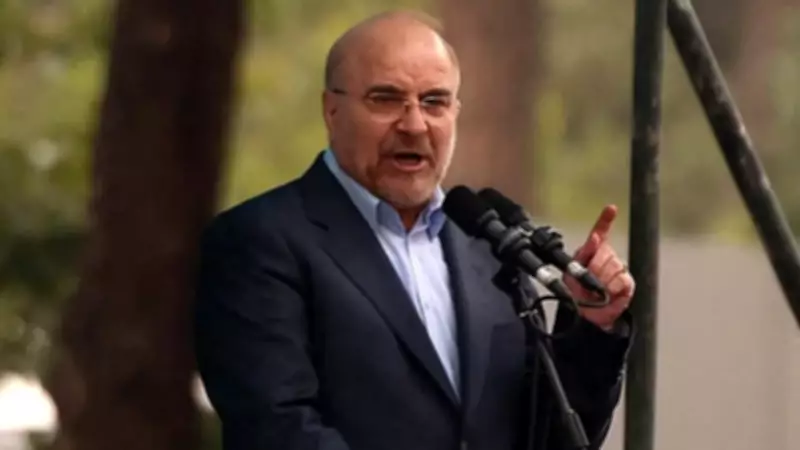
Iran's top negotiator and Parliament Speaker Mohammad Baqer Qalibaf has declared that Iran will not accept any agreement with the United States unless it guarantees the rights of the Iranian people and delivers tangible results, according to state media reports. The statement, published on 31 May 2026, underscores Tehran's firm stance in ongoing diplomatic engagements with Washington.
Key Demands for a Deal
Speaking to state-affiliated outlets, Qalibaf emphasized that any potential accord must prioritize the interests of the Iranian populace. He stressed that vague promises or non-binding commitments would be insufficient. The remarks come amid heightened tensions and negotiations over Iran's nuclear program and regional influence.
Context of the Statement
Qalibaf's comments reflect a broader Iranian position that has consistently called for verifiable outcomes before easing sanctions or altering military posture. The United States has sought to revive the 2015 nuclear deal, but Iran insists on full removal of sanctions and guarantees against future withdrawal. Qalibaf's hardline rhetoric aligns with the conservative majority in parliament, which has been skeptical of Western engagements.

Analysts suggest that this stance could complicate efforts by the Biden administration to re-enter the Joint Comprehensive Plan of Action (JCPOA). Iran has repeatedly criticized the US for failing to uphold its commitments, particularly after Washington's unilateral withdrawal in 2018 under President Trump.
- Guarantees for Iranian Rights: Qalibaf insisted that any agreement must legally protect Iran's sovereignty and economic interests.
- Tangible Results: He demanded immediate and measurable benefits, such as lifting of banking and oil sanctions.
- No Room for Ambiguity: The speaker rejected any deal that leaves room for interpretation or future disputes.
International Reactions
The US State Department has not yet responded to Qalibaf's latest remarks. However, previous rounds of talks in Vienna have stalled due to disagreements over verification mechanisms and the scope of sanctions relief. European mediators have urged both sides to show flexibility, but Iran's leadership appears unwilling to compromise on core demands.
Qalibaf's statement also coincides with internal political dynamics in Iran, where hardliners are consolidating power ahead of upcoming elections. By taking a tough stance, he may be seeking to bolster his position among conservative constituents.
Looking Ahead
As negotiations continue, the path to a renewed agreement remains uncertain. Iran's insistence on concrete outcomes challenges the US to offer more than symbolic gestures. The coming weeks will be critical in determining whether diplomatic channels can produce a breakthrough or if the standoff will persist, potentially escalating tensions in the Middle East.