

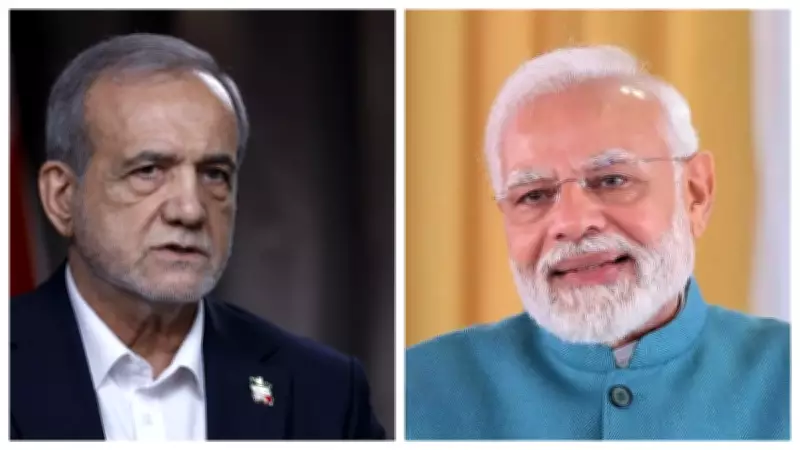
Iran Extends State Funeral Invitation to PM Modi
Iranian President Ebrahim Raisi has formally invited Indian Prime Minister Narendra Modi to attend the state funeral of Supreme Leader Ayatollah Ali Khamenei, scheduled to take place from July 5 to July 9, 2026. The invitation was conveyed through diplomatic channels on Wednesday, marking a significant gesture of bilateral goodwill between Tehran and New Delhi.
The funeral proceedings for Khamenei, who passed away on June 22 at the age of 87 after a prolonged illness, are expected to draw world leaders and dignitaries from across the globe. Iran has declared five days of national mourning, with the state funeral being the centerpiece of the commemorations.
Diplomatic Significance and Bilateral Ties
The invitation underscores the strengthening relationship between India and Iran, particularly in the areas of trade, energy, and regional security. India has been a key partner in the development of the Chabahar Port, which provides strategic access to Afghanistan and Central Asia, bypassing Pakistan. The port project, valued at $500 million, has been a cornerstone of India-Iran cooperation.

According to a statement from the Iranian Ministry of Foreign Affairs, President Raisi expressed his hope that PM Modi's presence would honor the legacy of Khamenei and further cement the bonds between the two nations. “The Supreme Leader was a great friend of India and always advocated for stronger ties between our countries,” the statement said.
Details of the Funeral Arrangements
The state funeral will be held in Tehran, with the body of Khamenei lying in state at the Imam Khomeini Grand Mosque for public viewing. The funeral procession will then proceed to the Behesht-e Zahra cemetery, where Khamenei will be buried alongside other prominent Iranian figures. Security arrangements are being tightened across the capital, with thousands of mourners expected to participate.
Iran has also announced that a special prayer service will be conducted by senior clerics, and a memorial event will be held at the United Nations headquarters in New York. The five-day mourning period includes the suspension of all non-essential government activities and cultural events.
India's Response and Expected Participation
While the Indian Ministry of External Affairs has not yet officially confirmed PM Modi's attendance, sources indicate that the prime minister is likely to accept the invitation, given the importance of the bilateral relationship. India has historically maintained close ties with Iran, despite pressure from the United States over sanctions related to Iran's nuclear program.
In a statement, Indian Foreign Minister S. Jaishankar said, “India deeply values its friendship with Iran. The passing of Ayatollah Khamenei is a moment of profound loss. We will respond to the invitation in due course, keeping in mind our shared interests and respect for the Iranian people.”
Regional and Global Implications
Khamenei's death marks the end of an era for Iran, having served as Supreme Leader since 1989. His succession by President Raisi, who is expected to consolidate power, has raised questions about the future direction of Iranian foreign policy. The funeral provides an opportunity for world leaders to engage with Iran's new leadership.
Analysts note that PM Modi's attendance could signal India's commitment to maintaining a balanced foreign policy, engaging with Iran while also strengthening ties with the United States and Israel. India's strategic autonomy in foreign affairs has allowed it to navigate complex geopolitical landscapes.
Historical Context of India-Iran Relations
India and Iran share centuries-old cultural and economic ties. In recent years, cooperation has expanded to include counter-terrorism efforts, intelligence sharing, and joint military exercises. Iran is also a major supplier of crude oil to India, although imports have fluctuated due to US sanctions.
The Chabahar Port agreement, signed in 2016, has been a flagship project, with India investing $85 million to equip the port. The project is seen as a counterbalance to China's Belt and Road Initiative and the Gwadar Port in Pakistan.

As the world watches the transition of power in Iran, PM Modi's potential visit will be closely scrutinized for its impact on regional dynamics and India's role as a major power in the Indian Ocean region.





