

Leh IAF Station Gets Major Civil Aviation Upgrade to Boost Ladakh's Tourism and Economy
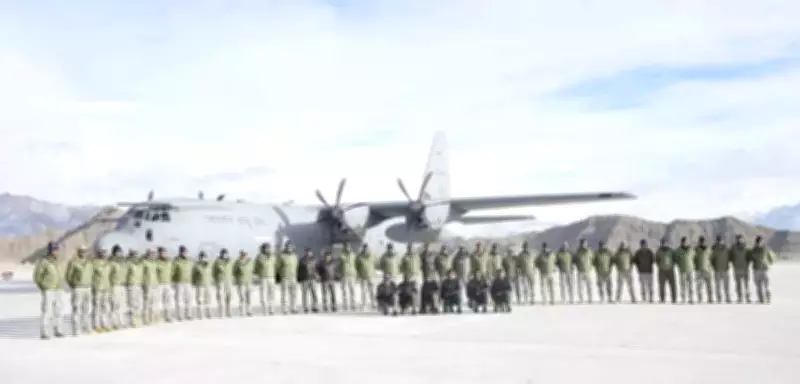
In a significant move aimed at revitalizing tourism and stimulating economic activity in the Union Territory of Ladakh, Lieutenant Governor Kavinder Gupta, alongside senior Indian Air Force officials, officially inaugurated a crucial project on Thursday. This initiative focuses on developing and enhancing civil aviation infrastructure at the strategically important IAF station located in Leh.
A Milestone Achievement in Challenging Terrain
The inauguration ceremony marks a pivotal milestone in the ongoing efforts to strengthen and modernize the civil aviation framework within the high-altitude region of Ladakh. Remarkably, the infrastructure upgrades were completed in record time, overcoming the formidable challenges posed by the extremely difficult high-altitude terrain and the region's notoriously adverse and unpredictable weather conditions.
Among the distinguished attendees at the program was Air Marshal J S Mann, who serves as the senior air staff officer of the Western Air Command, highlighting the importance of this collaborative endeavor between civil and defense authorities.

Enhanced Efficiency for Passengers and Operations
According to an official statement released by the defence ministry, the newly upgraded infrastructure is designed to deliver substantial operational improvements. These enhancements will enable smoother and more efficient ground movement of aircraft on the tarmac. Furthermore, they are expected to facilitate quicker civil departures, which will collectively work to enhance overall passenger convenience and significantly reduce aircraft turnaround times.
Catalyst for Tourism and Socio-Economic Growth
The defence ministry statement elaborated on the broader positive impacts of this project. It emphasized that the improved air connectivity will provide a strong and much-needed impetus to the tourism sector in the Leh region. This boost is anticipated to generate new economic opportunities, support local livelihoods, and contribute to the area's prosperity.
Simultaneously, the enhanced aviation facilities will ensure more reliable and consistent air services for both residents and visitors to Ladakh. An additional critical benefit outlined in the statement is the strengthening of the region's capacity to respond swiftly and effectively to Humanitarian Assistance and Disaster Relief (HADR) requirements, a vital capability in this remote area.
The ministry affirmed that this strategic project will contribute meaningfully to Ladakh's long-term socio-economic growth and development, aligning with broader national goals for the region.
Security Context and Resilience
In related remarks, Lieutenant Governor Kavinder Gupta had previously addressed security concerns, warning that "white-collar militancy" continues to pose a threat to India's internal security. He made these comments following a blast incident near the Red Fort Metro station in Delhi, which triggered a comprehensive multi-agency crackdown.
Cautioning against the activities of hostile forces, the LG stated, "India's development and the positive environment we are building are things that our neighbouring countries do not wish to see. It is possible that they may persist in attempts to create disturbances. However, our security agencies remain strong, our people are resilient, and our police forces are fully capable of handling such challenges." This context underscores the importance of developmental projects like the Leh aviation upgrade in fostering stability and growth amidst security considerations.






