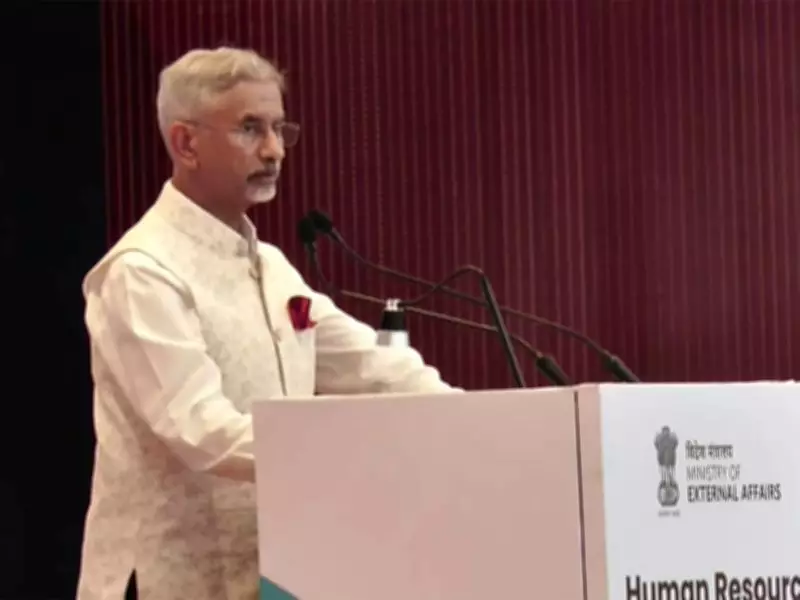
External Affairs Minister S Jaishankar has underscored India's commitment to safe, orderly, and legal migration, noting that the movement of skilled talent across borders has emerged as a critical driver of the modern global economy, rivalling traditional pillars like trade and investment.
India's Migration and Mobility Partnership Agreements
Addressing the Human Resource Mobility Forum in New Delhi on Tuesday, Jaishankar said that India has signed 28 Migration and Mobility Partnership Agreements (MMPAs) with 26 countries, including recent pacts with Germany, Italy, and Japan. He emphasised that these partnerships are based on mutual benefit, shared responsibility, and long-term sustainability.
Warning Against Illegal Migration
Jaishankar issued a stern warning against illegal migration, stating that it compromises the credibility of legal mobility ecosystems. He noted that unregulated movement often fuels criminal networks, human trafficking, and bad business that puts vulnerable citizens at risk. He said, "Equally important is the collective responsibility of nations to combat illegal migration, exploitative practices, fraudulent intermediaries, and human trafficking. These challenges compromise the credibility of legal mobility ecosystems and can place vulnerable individuals at risk."

India as an Indispensable Contributor to Global Growth
The External Affairs Minister positioned India as an indispensable contributor to global growth, emphasising that mobility is now a central pillar of international cooperation. "India's vision for mobility is not limited to facilitating overseas employment opportunities. We view mobility as a very important pillar of international cooperation," Jaishankar said. He added that when managed efficiently, these partnerships create value for source and destination countries, employers, workers, and communities.
Role of Technology: eMigrate 2.0 Portal
Highlighting the role of technology in protecting workers, Jaishankar praised the success of the eMigrate 2.0 portal. He informed the forum that over 5 million (50 lakh) emigration clearances have been issued through the platform since its inception, calling it a global example of leveraging technology to ensure worker welfare and transparency. "One key pillar which has brought about a transformation in the governance of migration has been the use of digital systems and tools. Just two years back, we had launched eMigrate version 2 platform with better functionalities and services, creating a safer, more transparent and legal structure for mobility," he said.
Emerging Trends: Silver Economy and Tech Economy
Jaishankar noted that as countries face ageing populations and declining workforces, the silver economy of caregiving and healthcare as well as the tech economy will increasingly depend on mobile human resources. He called for greater international recognition of qualifications and closer collaboration between governments and industries to prepare for the demands of tomorrow. "Technological innovation is reshaping industries at an unprecedented pace. Artificial Intelligence, automation, digitalisation, and green transition are also redefining skills that are required for tomorrow's economy," he said.
He elaborated, "As we now look towards the future, several emerging trends deserve our attention. Advances in Artificial Intelligence and automation are expected to transform labour markets across many geographies and many sectors. While some occupations may undergo significant change, entirely new categories of employment will also emerge. The green economy will create demands for new skills and capabilities. But as I said, the orthodox demands also continue. Healthcare and caregiving services will become especially important with ageing populations. So, the silver economy is as important as the tech one."

Need for Closer Collaboration
The minister emphasised that these developments require governments, industry, education institutions, and international organizations to work much more closely than ever before. "We must develop mechanisms that anticipate future workforce requirements. We must strengthen systems that support continuous learning and skill adaptation. We must also facilitate greater recognition of qualifications and competencies across jurisdictions. Above all, we must ensure that workers are prepared not just for today's opportunities but also for the demands of tomorrow," he said.
Human Resource Mobility Forum
The Human Resource Mobility Forum, Jaishankar said, provides an important platform to advance all these objectives by bringing together policymakers, industry leaders, employers, and practitioners. It creates opportunities to exchange ideas, learn from experiences, and explore new approaches towards mobility. He added that five countries have been chosen for detailed discussion on deepening collaborations based on mobility agreements signed in the recent past. "The emphasis here would be to discuss the ways by which mobility agreements which have been signed and the implementation mechanisms that are envisaged may be put to good use for our mutual benefit," Jaishankar concluded.