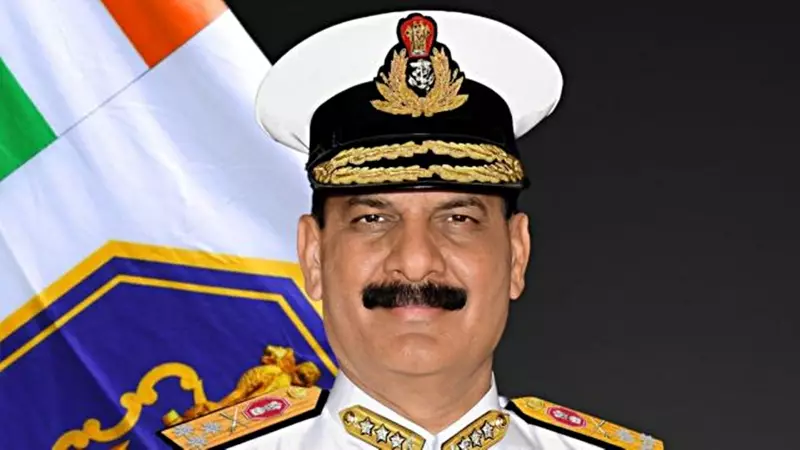
In a significant address, the Chief of the Naval Staff, Admiral Dinesh K Tripathi, pointed out persistent shortfalls in India's development of several cutting-edge defence technologies, even as he lauded the Navy's track record in indigenous warship building. He also outlined evolving maritime threats, including those from asymmetric actors using drones and long-range missiles.
Call for Youth to Bridge Critical Technology Gaps
Admiral Tripathi was delivering the annual General BC Joshi Memorial Lecture at the Savitribai Phule Pune University on Monday. Speaking on the theme 'Shaping India's Future through Sea Power and Self-Reliance', he underscored the Navy's commitment to Atmanirbharta (self-reliance), evidenced by the commissioning of nearly 140 indigenous ships since 1960.
He highlighted the Navy's proactive role in the iDEX (Innovation for Defence Excellence) ecosystem, leading 198 out of 565 challenges launched so far. "However, while we have made significant progress in developing several capabilities, some cutting-edge technologies continue to elude us even today," the Navy Chief stated.

He specifically identified key areas where India still faces inadequacies:
- Propulsion systems for ships and submarines
- Aero-engines
- Niche underwater capabilities
- High-end weapon systems
- Hypersonic technologies
"This is where I will like the young people, students, researchers who are sitting here to help us to overcome these inadequacies," Admiral Tripathi appealed, pointing to the crucial role of academia and young innovators.
He also emphasized the broader economic impact of indigenous defence projects, noting Defence Minister Rajnath Singh's observation that every ship built creates a new job and every indigenous system decreases dependency.
Evolving Maritime Threats: Drones, Missiles, and Grey-Zone Warfare
Shifting focus to the security landscape, Admiral Tripathi detailed the complex risks in India's maritime neighbourhood. He warned that the contest is no longer limited to traditional military confrontation but extends to a 'Sphere of Influence 2.0', driven by infrastructure investments, port leases, and setting standards in new technologies.
"Extra-regional powers are now expanding their strategic footprint, sometimes through partnerships, and at other times through economic coercion and leverage, dual-use facilities, and opaque financial arrangements," he noted, highlighting implications for India's strategic autonomy.
The Navy Chief stressed that the nature of maritime power itself is changing. "Small actors — state and non-state alike — now wield disproportionate influence through asymmetric capabilities like long-range missiles placed on small platforms, drones and autonomous surface vessels, and low-cost disruptive technologies," he said.
He identified Artificial Intelligence, autonomy, and precision-strike systems as key factors rewriting the rules of maritime warfare. The most persistent dangers, he argued, lie in the 'grey zone'—activities like using disguised vessels, cyber intrusions into port operations, and 'lawfare' to challenge maritime norms.
Citing the Red Sea crisis as an example, he illustrated how maritime disruptions can cause global supply chain shocks, with shipping costs on key routes spiking nearly five-fold.
The Path Forward: Collaboration and Constant Vigilance
Admiral Tripathi's lecture painted a picture of a dynamic and challenging maritime domain where advantage must be "earned, safeguarded, and constantly renewed." His twin message was clear: while celebrating achievements in indigenisation, there is an urgent need to conquer the final frontiers in advanced technology through collaborative efforts with industry, startups, and the youth.
Simultaneously, the Indian Navy must prepare for a new age of threats where low-cost drones and legal tactics can be as disruptive as traditional military power, requiring constant innovation and vigilance to secure India's maritime interests.