Nepal Proposes Recognition of National Identity Card for Travel to India
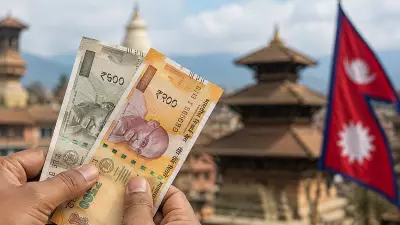
Nepal has officially requested India to accept its National Identity Card (NID) as a valid travel document for Nepali citizens visiting India, according to a senior official from the Department of Immigration. The move aims to simplify cross-border travel by allowing the biometric ID to be used alongside existing documents such as citizenship certificates and passports.
Tika Ram Dhakal, spokesperson for the Department of Immigration, confirmed that the proposal has been forwarded to the Indian government through diplomatic channels. “We have already sent the proposal to the Ministry of Foreign Affairs via the Home Ministry, and the Foreign Ministry has forwarded it to the concerned authorities of India,” Dhakal said. He added that discussions are ongoing with the Indian Embassy in Kathmandu, and Nepal awaits a formal response.
Current Travel Requirements and Expected Changes
At present, Nepali citizens travelling to India, particularly by air, must carry either a citizenship certificate or a passport. If India approves the NID, it would become the third accepted identification document for both air and land travel between the two countries. For Indian nationals flying to Nepal, a passport or a voter identity card issued by the Election Commission of India is required.

Dhakal expressed optimism that India would respond positively to the request. “We are in touch with the Indian Embassy regarding the matter and hope for an early response,” he said. The recognition of the NID would ease travel for millions of Nepalis who frequently cross the border for work, education, or tourism.
Background of Nepal's National Identity Card
Nepal launched its nationwide National Identity Card in 2018 as part of efforts to modernise public administration. The biometric card has since been made mandatory for accessing government services and banking. The government also plans to eventually replace the traditional citizenship certificate with the NID, streamlining identity management.
The NID incorporates biometric data such as fingerprints and photographs, making it a secure and verifiable document. Its recognition by India would mark a significant step in bilateral cooperation on digital identity and border management.
India-Nepal Open Border and Travel Protocols
India and Nepal share a unique open-border arrangement under the 1950 India-Nepal Treaty of Peace and Friendship. This treaty allows citizens of both countries to travel and work across the border without visas. However, for air travel and certain road checkpoints, identity documents are required to verify nationality.
The open border facilitates deep people-to-people ties, with an estimated 7–8 million Nepalis living and working in India. Easing documentary requirements through NID recognition would further strengthen these ties and reduce bureaucratic hurdles.
Potential Impact of the Proposal
If approved, the NID would become a widely accepted travel document for Nepalis, similar to how India’s Aadhaar card is used for various services domestically. The move could also encourage other countries to recognise Nepal’s NID, enhancing its international utility.
Analysts note that the request aligns with India’s broader push for digital governance and neighbour-first policy. A positive response would reinforce mutual trust and simplify cross-border movement, benefiting sectors like trade, education, and healthcare.