

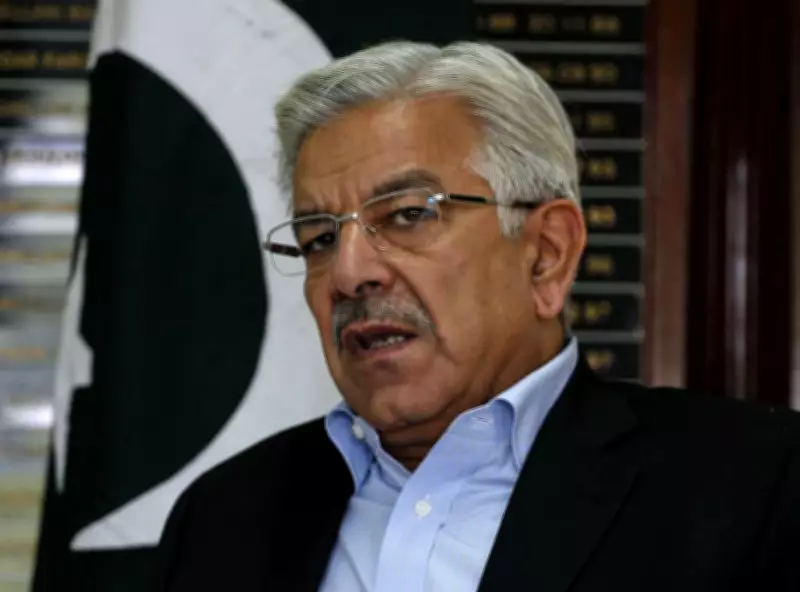
Pakistan Minister's Explosive Anti-US Tirade: 'Used America Like Toilet Paper'
A senior Pakistani minister has ignited a major diplomatic firestorm with a blistering public rant against the United States, accusing Washington of exploitation and making a startling revelation concerning Afghanistan. In a video that has gone viral across international media platforms, the minister unleashed a torrent of criticism, employing highly inflammatory language that has sent shockwaves through diplomatic circles.
'Used the US Like Toilet Paper': The Scathing Allegation
The core of the minister's outburst centered on the accusation that Pakistan strategically manipulated its relationship with the United States for its own ends. The minister explicitly stated, "We used the US like toilet paper," a phrase intended to convey a sense of utilitarian disdain and short-term exploitation of the superpower. This stark metaphor suggests a transactional view of the long-standing, albeit often fraught, alliance between Islamabad and Washington.
This rhetoric is seen as a dramatic escalation in the often-tense dialogue between the two nations. Analysts suggest the comments reflect deep-seated grievances within certain Pakistani political factions regarding perceived abandonment or conditional support from the US, particularly following the withdrawal from Afghanistan. The language marks a significant departure from more measured diplomatic discourse and is likely to complicate ongoing bilateral engagements.

A Major Revelation on Afghanistan Strategy
Beyond the inflammatory anti-US sentiment, the minister's remarks contained what is being termed a "big reveal" regarding Pakistan's role and perspective on Afghanistan. While the full details from the video require careful analysis, the revelation appears to shed new light on Islamabad's strategic calculus and actions during the critical phases of the Afghan conflict and the subsequent Taliban takeover.
This disclosure is poised to prompt serious re-evaluation among international observers and policymakers. It potentially clarifies Pakistan's stance on issues such as:
- Its engagement with the former Afghan government versus the Taliban.
- Strategic objectives concerning regional stability and influence.
- The nature of intelligence and logistical support provided over the years.
The timing and public nature of this revelation are particularly striking, indicating a possible shift towards a more openly assertive and defiant Pakistani foreign policy narrative.
Diplomatic Fallout and Regional Implications
The video and its contents have immediately triggered concerns about a further deterioration in Pakistan-US relations. Official reactions from Washington are awaited, but such provocative statements are certain to be noted with grave concern. The incident adds another layer of complexity to a relationship already strained by divergent interests in South Asia and counterterrorism cooperation.
Furthermore, the Afghanistan-related revelation will resonate powerfully in regional capitals, including New Delhi, Kabul, and Tehran. It may influence:
- Future diplomatic negotiations concerning Afghanistan's recognition and governance.
- Security assessments by neighboring countries regarding cross-border militant threats.
- The broader geopolitical balance in a region where US influence is recalibrating.
This episode underscores the volatile and emotionally charged nature of Pakistan's internal political discourse on foreign policy. It demonstrates how domestic political pressures can erupt into international controversies with significant consequences for regional diplomacy and global strategic alignments. The coming days will be crucial in assessing the formal damage control measures and the long-term impact of this extraordinary public diplomatic breach.






