

Russia Advocates for Diplomatic Resolution in US-Iran Nuclear Standoff
In a significant diplomatic intervention, Russia has publicly urged the United States and Iran to engage in direct talks to resolve their escalating tensions over nuclear weapons. The Kremlin's call for dialogue comes as a direct response to recent statements from Washington that have raised the specter of military confrontation.
Kremlin Spokesman Issues Warning Against Military Escalation
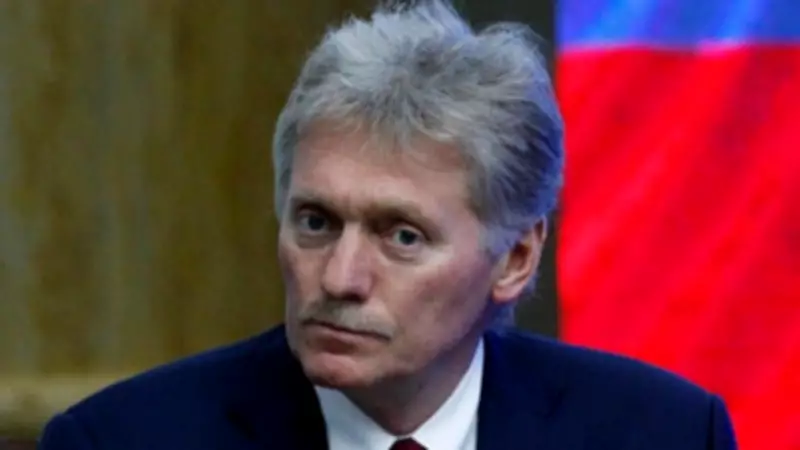
Kremlin spokesman Dmitry Peskov emphasized the importance of peaceful resolution through diplomatic channels during his remarks to journalists. Peskov explicitly cautioned against the use of force, stating that military action would only exacerbate regional instability and complicate international efforts to address nuclear proliferation concerns.
The Russian official's comments followed President Donald Trump's public ultimatum to Iran, delivered just one day earlier. In that statement, Trump called on Iranian leadership to return to the negotiating table and reach a comprehensive agreement on their nuclear program, warning that failure to comply could result in potential U.S. military action.

Context of Growing International Tensions
The exchange between Moscow and Washington highlights several critical aspects of the current geopolitical landscape:
- The renewed focus on Iran's nuclear capabilities and international monitoring mechanisms
- Russia's positioning as a diplomatic intermediary in Middle Eastern conflicts
- The potential for great power competition to influence regional security dynamics
- The delicate balance between diplomatic pressure and military threats in international relations
Russia's intervention reflects its longstanding interest in Middle Eastern stability and its role as a traditional diplomatic player in the region. The Kremlin has consistently advocated for multilateral approaches to international security challenges, particularly those involving nuclear non-proliferation agreements and regional power balances.
Implications for Global Diplomacy
This development occurs against a backdrop of:
- Ongoing negotiations regarding the Joint Comprehensive Plan of Action (JCPOA)
- Regional security concerns involving multiple Middle Eastern nations
- Great power competition between Russia and the United States
- International efforts to prevent nuclear weapons proliferation
The timing of Russia's statement suggests Moscow sees an opportunity to position itself as a responsible international actor while simultaneously challenging U.S. foreign policy approaches. Diplomatic observers note that such interventions often serve multiple strategic purposes, including enhancing Russia's global influence and potentially creating diplomatic leverage in other areas of international relations.
As the situation continues to evolve, the international community will be watching closely to see whether Russia's call for dialogue gains traction or whether escalating rhetoric leads to further polarization in an already tense region.






