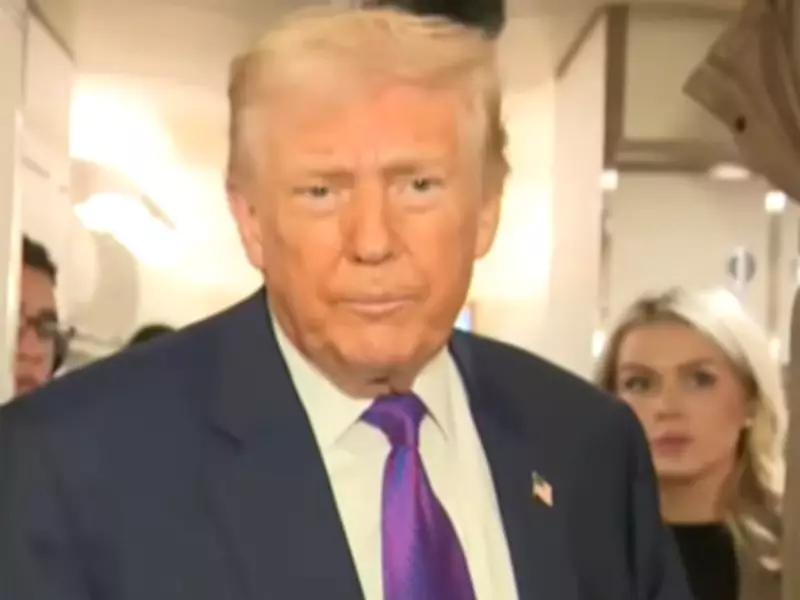
Trump Voices Openness to Including China and Russia in Peace Endeavors
In a recent statement that has captured international attention, former United States President Donald Trump articulated a notable willingness to engage major global powers in collaborative peace initiatives. Specifically, he emphasized a desire to see both China and Russia actively involved in such efforts, marking a potential departure from more confrontational diplomatic stances often associated with his administration.
Emphasis on Inclusivity in Global Diplomacy
During his remarks, Trump underscored the importance of inclusivity when addressing complex international issues. He suggested that bringing key nations like China and Russia to the negotiating table could foster more comprehensive and sustainable solutions to conflicts and tensions worldwide. This perspective aligns with a broader vision of diplomacy that prioritizes dialogue over isolation, even with geopolitical rivals.
The former president's comments come at a time of heightened geopolitical friction, with ongoing disputes involving territorial claims, economic sanctions, and military posturing. By expressing openness to cooperation, Trump hinted at a pragmatic approach that acknowledges the significant influence these countries wield on the global stage. He implied that excluding them from peace processes might hinder progress and exacerbate divisions.

Potential Implications for Future Foreign Policy
Analysts are closely examining Trump's statements for clues about his foreign policy outlook, especially as he remains a prominent figure in American politics with potential future electoral ambitions. His call for involving China and Russia in peace efforts could signal a shift towards more multilateral engagement, contrasting with the "America First" rhetoric that characterized much of his presidency.
This development raises questions about how such an approach would be implemented in practice, given historical tensions and competing interests. For instance, issues like cybersecurity threats, trade imbalances, and regional conflicts have often strained relations between the US, China, and Russia. Trump did not provide specific details on the mechanisms or frameworks for collaboration, leaving room for speculation on the feasibility of his proposal.
Nevertheless, his remarks have sparked discussions among policymakers and experts about the evolving dynamics of international relations. Some view it as a positive step towards reducing polarization, while others caution about the challenges of reconciling divergent agendas. The response from Chinese and Russian officials has yet to be fully gauged, but initial reactions suggest a mix of curiosity and skepticism.
Broader Context of Global Peace Initiatives
Trump's comments also touch upon broader themes in global governance and conflict resolution. In recent years, there has been growing recognition of the need for inclusive platforms that involve all major stakeholders to address issues like climate change, nuclear proliferation, and humanitarian crises. By advocating for China and Russia's inclusion, Trump aligns with this trend, albeit with his unique political branding.
As the world navigates an increasingly interconnected yet fragmented landscape, such statements highlight the ongoing debate over the best paths to peace and stability. Whether this leads to tangible diplomatic moves remains to be seen, but it undoubtedly adds a new dimension to conversations about international cooperation in the post-pandemic era.