US Treasury Secretary Suggests Possible Tariff Rollback for India
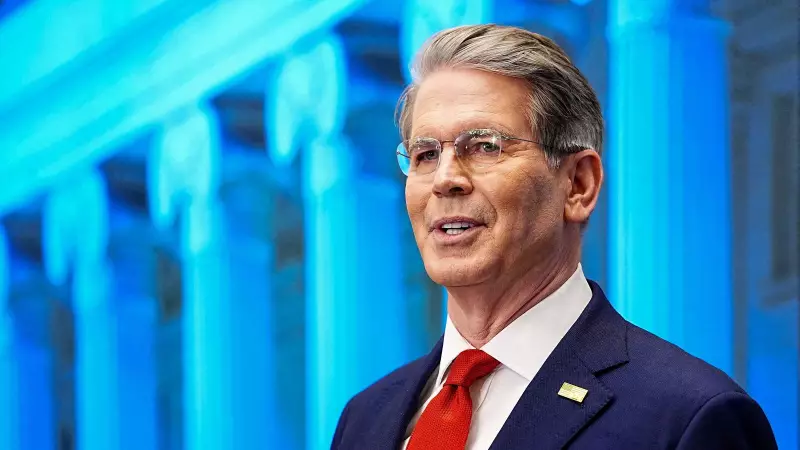
In a significant development at the World Economic Forum in Davos, US Treasury Secretary Scott Bessent has indicated that there could be a diplomatic pathway to remove the 25% additional tariffs imposed on India. These tariffs were originally implemented by the Trump administration as a response to India's purchases of Russian oil following the Ukraine invasion.
Bessent Claims Tariffs Have Achieved 'Huge Success'
During an interview with Politico, Bessent asserted that the tariffs have produced tangible results for American economic interests. "We put a 25 per cent tariff on India for buying Russian oil, and the Indian purchases by their refineries of Russian oil have collapsed. So that is a success", he stated emphatically. The Treasury Secretary described this outcome as a "huge success" for US trade policy.
Bessent further elaborated that while the tariffs remain active, "I would imagine there is a path to take them off", suggesting potential diplomatic negotiations could lead to their removal if India continues to shift its energy sourcing patterns away from Russia.

India's Firm Response to US Pressure
Despite the US pressure and a proposed Congressional bill that could potentially impose duties as high as 500% on countries purchasing Russian oil, New Delhi has maintained its steadfast "India First" energy policy. Indian officials have consistently emphasized that the nation's primary concern is securing affordable energy for its massive population of 1.4 billion citizens.
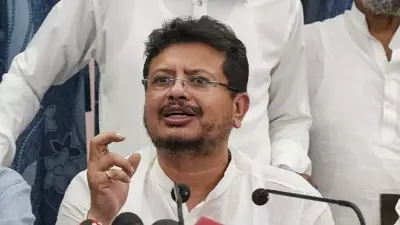
Reacting to the proposed US legislation, Ministry of External Affairs spokesperson Randhir Jaiswal stated, "We are aware of the proposed bill. We are closely following the developments." This measured response came after US Senator Lindsey Graham revealed in January that President Donald Trump had given approval to the bipartisan Russia Sanctions Bill, which specifically targets countries like India, China, and Brazil for their Russian oil purchases.
European Criticism and the Irony of Refined Oil Purchases
Bessent directed particularly sharp criticism toward European nations during his Davos remarks, accusing them of "financing the war against themselves" through their trade practices. He highlighted what he called an "act of irony and stupidity" in European energy procurement strategies.
"Before the Ukraine invasion, approximately 2-3 per cent of Indian oil that went into its refineries came from Russia. The oil was sanctioned. It got deeply discounted and moved up into the high teens- 7, 18, 19% was being refined", Bessent explained. "But in the ultimate act of irony and stupidity, guess who was buying the refined products from the Indian refineries made from Russian oil? The Europeans."
EU-India Trade Deal Progress Amid Controversy
Despite the Russian oil controversy, the European Union and India are advancing toward what European Commission President Ursula von der Leyen has described as "the mother of all deals" - a comprehensive Free Trade Agreement that would create a market encompassing 2 billion people and representing approximately 25% of global GDP.
Bessent suggested that European nations have avoided imposing similar tariffs on India to protect this impending agreement, accusing them of "virtue signalling." "I will also point out that our virtue signalling European allies refused to do it because they wanted to sign this big trade deal with India", he remarked.
Von der Leyen is scheduled to visit New Delhi next weekend for the 16th EU-India summit, where a new comprehensive strategic agenda is expected to be adopted. Addressing the World Economic Forum, she emphasized Europe's commitment to expanding international trade cooperation, stating, "There is still work to do. But we are on the cusp of a historic trade agreement."
The European Commission President positioned the proposed India agreement within Europe's broader global trade strategy, affirming that Europe remains open to business partnerships worldwide, even amid complex geopolitical challenges surrounding energy sourcing and international sanctions.