

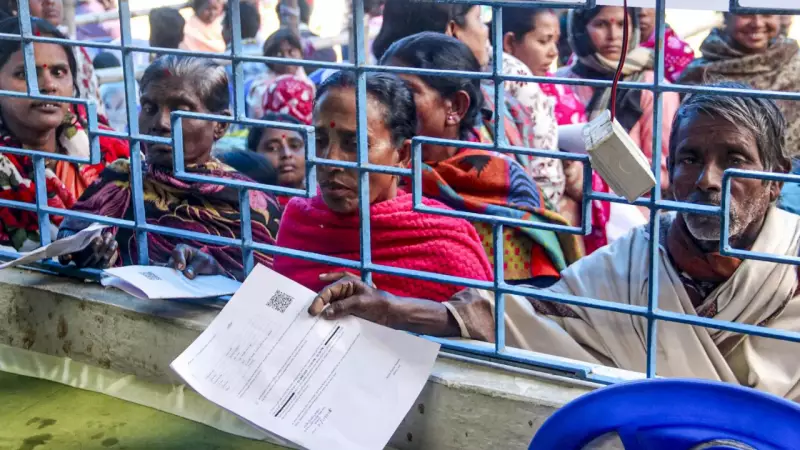
Understanding SIR: India's Intensive Electoral Roll Revision
The Special Intensive Revision (SIR) represents a thorough and comprehensive update of India's electoral rolls, mandated under Article 324 of the Constitution and supported by electoral laws. This process goes beyond routine annual updates by conducting detailed house-to-house verification, rigorous document checks, and extensive data audits. The primary objective is to achieve "error-free" voter lists by confirming current residences, adding eligible voters who may have been missed, and removing duplicates or ineligible names from the rolls.
Political Implications in West Bengal
In 2026, the SIR has evolved from a mere administrative exercise into a highly politically charged process that is significantly shaping campaign narratives well before the actual polling dates in Bengal. This transformation highlights how electoral management can intersect with political strategy, influencing voter perceptions and party tactics in a crucial election season.
Mamata Banerjee's 'Vote Chori' Allegations
West Bengal Chief Minister Mamata Banerjee has launched a fierce critique of the SIR, framing it as a direct threat to voters' fundamental rights. She argues that the revision process is being conducted in a rushed and chaotic manner, which could potentially lead to the deletion of genuine elector names from the voter lists. By labeling this as "vote chori" or vote theft, Banerjee has skillfully transformed what is typically a bureaucratic procedure into a dramatic fight for citizen identity and democratic integrity.

Campaign Strategy and Public Rhetoric
Utilizing personal anecdotes and street-level rhetoric, Mamata Banerjee has positioned herself as a defender of voters against what she portrays as an overreaching administrative process. This aggressive narrative has successfully made the SIR a central campaign issue weeks before the polls, mobilizing public opinion and setting the stage for a contentious electoral battle. The controversy underscores how technical aspects of election management can become powerful tools in political discourse, especially in a politically vibrant state like West Bengal.
Broader Significance for Indian Democracy
The ongoing debate over SIR in Bengal raises important questions about:
- The balance between electoral accuracy and voter inclusion
- The role of state machinery in election processes
- How administrative procedures can be politicized in competitive democracies
- The impact of such controversies on voter trust and participation
As India continues to refine its electoral processes, the SIR implementation in West Bengal serves as a critical case study in the intersection of law, administration, and politics in the world's largest democracy.






