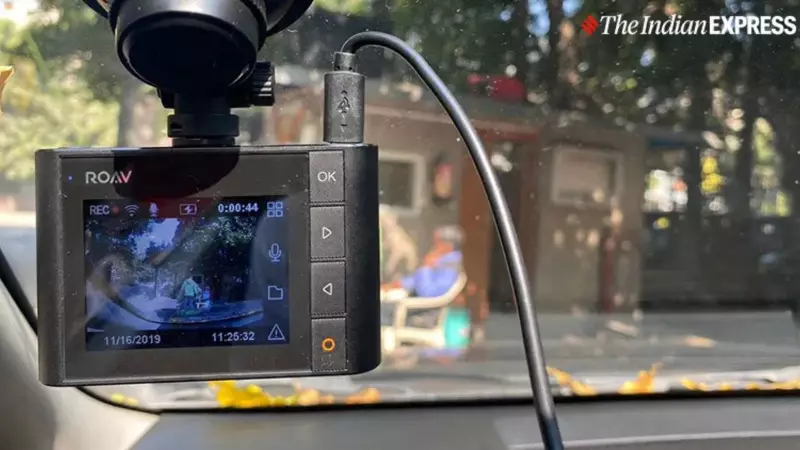
The Ahmedabad Municipal Corporation is taking a major technological step forward. They plan to install dashcams on city buses very soon. These cameras will record various civic eyesores and disruptions across Gujarat's largest city.
AI-Powered Surveillance on Wheels
AMC has identified more than forty specific issues for these AI-enabled cameras to detect. The list includes common problems like potholes and traffic violations. It also covers encroachments, damaged speed breakers, and cracks on roads.
Other issues the system will monitor include cattle on roads, open drains and manholes, electrical wire jumbles, and damaged streetlights. The cameras will even spot unauthorized posters, graffiti, and people sleeping on pavements. Spitting and urine stains on roads will also get recorded.

How the System Will Work
The initial plan involves installing one thousand dash cams. Tenders for this project have already been invited. They will close on January 30. AMC is looking for an agency to supply, install, configure, and maintain these dashcams.
The agency must also provide an AI-based software solution. This technology will help automate the detection of municipal issues. Currently, manual tracking of all these cases proves difficult.
Ahmedabad Municipal Commissioner Banchhanidhi Pani explained the decision. He said using technology makes sense when manual tracking becomes challenging. The Smart City Ahmedabad Development Limited will execute this project.
Camera Placement and Coverage
Dashcams will go on AMTS buses, BRTS buses, public transportation vehicles, and other corporation vehicles. Each vehicle can have up to three cameras. The viewpoints will capture all forty-plus cases from a single vehicle.
One camera will focus on the left side of the street. Another will concentrate on the road surface. The third camera will aim at the center of the road. However, AMC remains open to innovations that might maximize use cases covered by fewer cameras.
The cameras should also adapt for use in other vehicles. This adaptability will increase coverage across different city areas.
Detection Requirements
The AI application must detect garbage dropping incidents from video feeds. It should monitor roads, footpaths, and grounds where littering isn't allowed. The system needs to operate twenty-four hours a day, seven days a week.
Detection accuracy should reach eighty percent for reporting issues. AMC currently operates three hundred twenty-five BRTS buses. These buses run through a hundred-kilometer dedicated corridor network.
The city also has one thousand AMTS buses operating on over two hundred twenty-five routes. This extensive network makes buses ideal platforms for city-wide monitoring.