

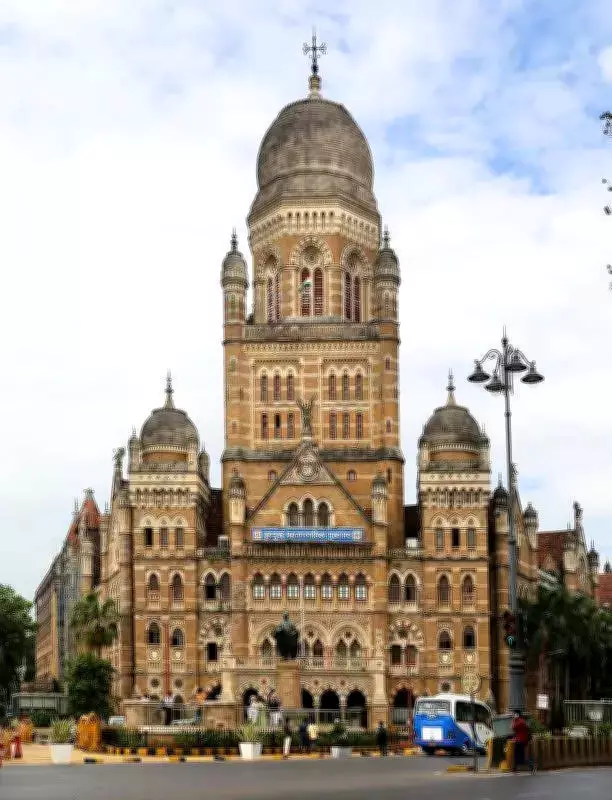
BMC Ramps Up Infrastructure Investment with 87% Capital Budget Utilization
In a significant boost to Mumbai's urban development, the Brihanmumbai Municipal Corporation (BMC) has dramatically increased its infrastructure spending, utilizing 87% of its capital expenditure budget for the 2025-26 financial year. This marks a substantial acceleration from the 77% utilization recorded in the previous fiscal period.
The civic body spent a massive Rs 39,159 crore out of its allocated capital expenditure sum, demonstrating a clear commitment to enhancing the city's infrastructure backbone. This spending surge represents one of the most aggressive capital investment drives in recent municipal history.
Comparative Spending Analysis Shows Clear Acceleration
Comparative data reveals the scale of this acceleration. In the 2024-25 financial year, BMC spent Rs 28,755 crore on capital works, which includes construction of roads, drains, bridges, and other essential infrastructure. The jump to Rs 39,159 crore in 2025-26 indicates a remarkable 36% increase in capital expenditure execution year-over-year.

The overall BMC budget for 2025-26 stood at Rs 74,427 crore, with 58% specifically earmarked for capital expenditure projects. This allocation strategy underscores the municipal corporation's focus on long-term infrastructure development rather than just operational expenses.
Mumbai Sewage Disposal Project Leads Expenditure
Leading the capital expenditure chart is the ambitious Mumbai Sewage Disposal Project (MSDP), a comprehensive Rs 30,000-crore initiative to modernize the city's aging sewage network. This flagship project represents one of the largest urban sanitation investments in India's recent history.
During the 2025-26 financial year, the MSDP department spent Rs 6,594 crore, significantly overshooting its initial allocation and necessitating a revised estimate. Consequently, the allocation for 2025-26 has been increased from Rs 6,499 crore to Rs 7,029 crore to accommodate the accelerated project pace.
The project focuses on upgrading and constructing seven major sewage treatment plants across strategic locations including Worli, Bandra, Dharavi, Versova, Malad, Ghatkopar, and Bhandup. The primary objective is to ensure that most wastewater undergoes secondary treatment before being discharged, addressing long-standing environmental concerns about Mumbai's sewage management.
Other Major Infrastructure Investments
Several other municipal departments have also demonstrated strong capital expenditure performance:
- Water Supply Department: Utilized 88% of its Rs 4,800 crore allocation, focusing on improving Mumbai's water distribution network
- Roads Department: Spent Rs 5,799 crore on the ongoing comprehensive road concreting drive across the city
- Bridges Department: Invested Rs 4,004 crore in bridge construction and maintenance projects
- Storm Water Drains (SWD) Department: Allocated Rs 1,181 crore for drainage system improvements
Official Perspectives and Public Concerns
A senior BMC official explained the strategic approach: "BMC has consciously increased capital expenditure over the last few years as part of our long-term infrastructure vision. If funds are not utilized effectively, they lapse, so we're ensuring maximum deployment for Mumbai's development."
However, not all stakeholders are entirely satisfied with the spending patterns. Kalina corporator Tulip Miranda raised concerns about basic civic services: "While flagship projects like the Coastal Road or Goregaon Mulund Link Road are impressive, BMC's fundamental duty remains providing and improving everyday civic services. Our civic hospitals, for instance, are in desperate need of comprehensive revamping and modernization."
RTI activist Anil Galgali highlighted quality concerns despite the substantial capital expenditure: "Despite the large capex investments, the quality of work often remains substandard. BMC must ensure proper supervision and quality control mechanisms for all infrastructure projects to guarantee value for public money."

Innovative Financing Approaches
Looking toward future funding, BMC is exploring innovative financial instruments to support its massive infrastructure agenda. The corporation is considering issuing green bonds specifically to finance sewage treatment plant (STP) projects, which are expected to cost over Rs 30,000 crore in total.
This green bond proposal is currently undergoing essential accreditation and credit rating processes—both mandatory steps before any bond issuance can proceed. This approach represents a modern financing strategy for municipal infrastructure projects, potentially creating a model for other Indian cities to follow.
The increased capital expenditure utilization reflects BMC's determined effort to transform Mumbai's urban infrastructure landscape. While the spending acceleration is notable, the true measure of success will be in the quality of execution and the tangible improvements in daily civic services that Mumbaikars experience in the coming years.





