BSWML Implements Strict No-Mixed-Waste Policy in Bengaluru
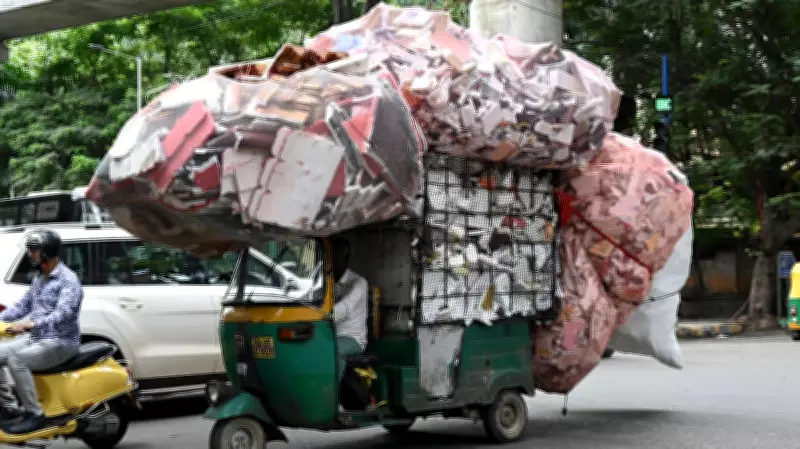
In a significant move to enhance urban cleanliness and environmental sustainability, the Bengaluru Solid Waste Management Limited (BSWML) has announced a decisive policy shift. The organization will no longer collect mixed waste from households and commercial establishments across the city. This initiative aims to compel residents and businesses to adopt proper waste segregation practices at the source, aligning with broader municipal goals for efficient waste management.
Current Segregation Levels Reveal Mixed Progress
According to recent assessments, waste segregation in Bengaluru currently stands at approximately 50% city-wide. However, this average masks considerable disparities among different wards. Some wards have demonstrated exemplary compliance, achieving segregation rates exceeding 90%, showcasing successful community engagement and adherence to guidelines. In contrast, other areas lag significantly, with segregation levels falling well below the city's average, highlighting ongoing challenges in uniform implementation and public awareness.
Impact on Residents and Commercial Entities

The new policy mandates that all waste generators must separate their waste into categories such as wet, dry, and hazardous materials before disposal. Failure to comply will result in non-collection by BSWML services, potentially leading to accumulation and hygiene issues. This measure is designed to incentivize behavioral change and reduce the burden on landfills by promoting recycling and composting. Authorities emphasize that this step is crucial for managing the city's growing waste output and mitigating environmental pollution.
Broader Implications for Urban Waste Management
This decision by BSWML reflects a growing trend in Indian cities to enforce stricter waste management protocols. By targeting mixed waste, the policy addresses a key bottleneck in processing efficiency, as segregated waste is easier to treat and recycle. Experts suggest that while initial resistance may occur, long-term benefits include reduced operational costs for the municipality and improved public health outcomes. The move also supports national initiatives like Swachh Bharat Abhiyan, which advocates for cleaner urban spaces through proactive waste handling.
Community Response and Future Steps
Early reactions from Bengaluru residents have been mixed, with some praising the move for its environmental focus, while others express concerns about practical difficulties in segregation. BSWML plans to roll out awareness campaigns and provide support through ward-level workshops to educate citizens on proper techniques. Monitoring mechanisms will be established to track compliance and adjust strategies as needed, ensuring that the policy achieves its intended outcomes without undue hardship on the populace.