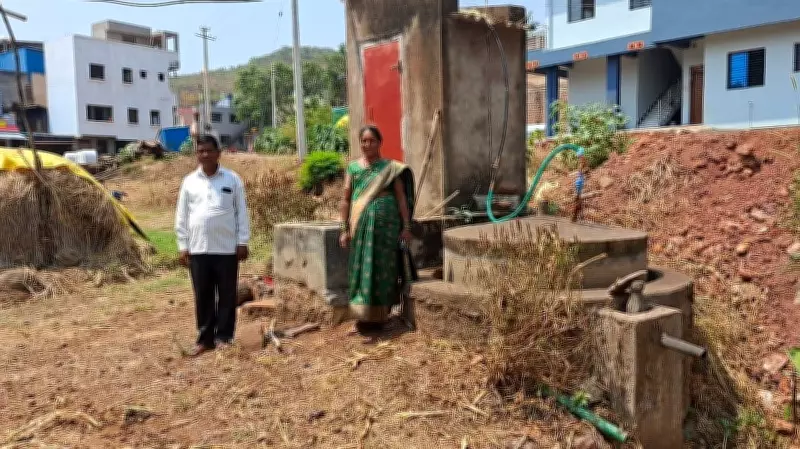
Biogas Plants Provide Sustainable Relief from LPG Cylinder Shortages in Karnataka
In a significant shift towards energy independence, villagers across rural Karnataka are increasingly turning to biogas plants as a reliable alternative to traditional LPG cylinders. This innovative approach is not only addressing the persistent issues of cylinder shortages and soaring costs but also promoting environmental sustainability by utilizing locally available organic waste.
Eliminating Dependency on Unreliable LPG Supply
For years, residents in remote areas have grappled with inconsistent LPG cylinder deliveries and exorbitant black-market prices during shortages. The installation of household and community biogas units has fundamentally transformed this scenario. These systems convert cattle dung, agricultural residue, and other biodegradable materials into methane-rich gas, providing a steady and cost-effective fuel source for daily cooking needs.
The operational mechanism is straightforward yet highly efficient. Organic waste is fed into an underground digester, where anaerobic bacteria break it down over several weeks. This biological process yields biogas, which is then piped directly to kitchen stoves. Unlike LPG cylinders that require frequent refills and transportation, biogas plants offer a continuous supply, drastically reducing logistical hassles and financial burdens for families.

Economic and Environmental Advantages
The adoption of biogas technology delivers substantial economic benefits. Villagers report saving significant amounts previously spent on LPG refills, with some households cutting their fuel expenses by over 50%. Additionally, the residual slurry from the digestion process serves as a high-quality organic fertilizer, enhancing soil fertility and boosting agricultural productivity without chemical inputs.
From an environmental perspective, biogas plants contribute to waste management and greenhouse gas reduction. By capturing methane that would otherwise escape into the atmosphere from decomposing waste, these systems mitigate climate impact. They also reduce reliance on fossil fuels, aligning with broader sustainable development goals.
Government Support and Community Initiatives
This transition has been bolstered by state and central government schemes that subsidize biogas plant installations. Programs like the National Biogas and Manure Management Programme (NBMMP) provide financial assistance and technical guidance, making the technology accessible to low-income households. Local non-governmental organizations and self-help groups are actively promoting awareness and facilitating implementation in underserved regions.
Community-led models are particularly effective in areas with limited individual resources. Shared biogas plants, funded collectively by village clusters, ensure equitable access and foster collaborative maintenance. Training sessions on plant operation and safety protocols are conducted regularly to ensure optimal utilization and longevity of the systems.
Challenges and Future Prospects
Despite the progress, challenges remain. Initial setup costs, though subsidized, can be prohibitive for some families. Technical issues related to digester maintenance and gas yield consistency in varying climatic conditions also require attention. However, ongoing innovations in design, such as flexible dome digesters and improved feedstock mixing techniques, are enhancing reliability and efficiency.
The success in Karnataka serves as a replicable model for other states grappling with similar energy access issues. With continued policy support and community engagement, biogas technology holds the potential to revolutionize rural energy landscapes across India, ensuring clean, affordable, and sustainable cooking solutions for millions.