

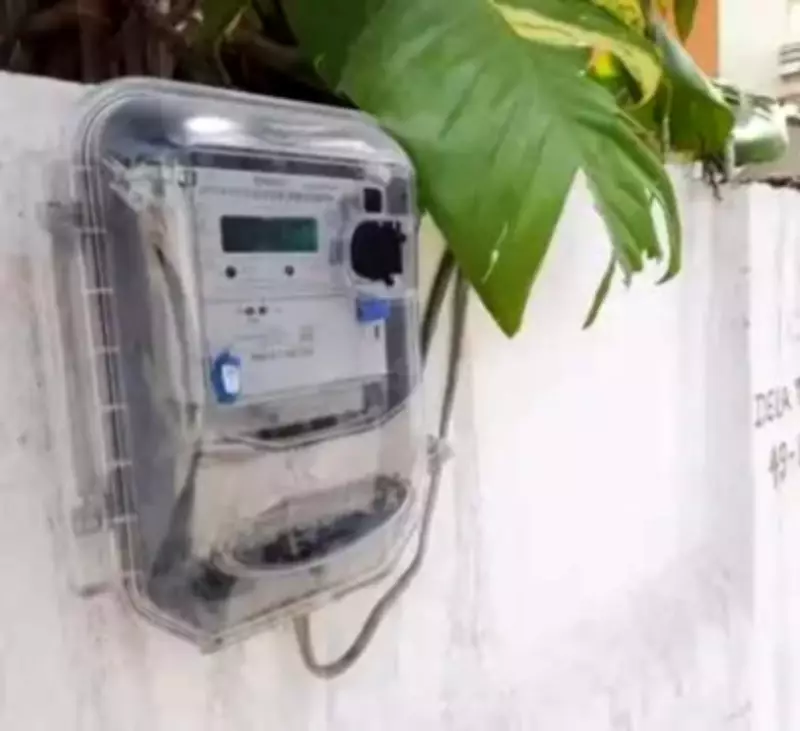
Central Electricity Authority Revises Smart Meter Policy, Removes Mandatory Prepaid Requirement
The Central Electricity Authority (CEA) has implemented a significant policy reversal regarding India's smart metering initiative. Through a recent amendment to the Installation and Operation of Meters Regulations, the authority has eliminated the compulsory "prepayment or prepaid mode" stipulation for electricity consumers nationwide. This decision marks a pivotal shift from the previous mandate established in 2022.
Details of the Policy Amendment and Regulatory Changes
In its notification dated February 28, 2022, the CEA had explicitly mandated that "all consumers shall be supplied electricity with smart meters working in prepayment mode" within government-established timelines. This regulation effectively established prepaid billing as the default operational model for the smart meter rollout across all areas equipped with communication networks.
However, the latest amendment, officially notified on April 1, has substantially altered this requirement. The revised provision now states that consumers will be supplied electricity through smart meters that conform to Indian standards, without any specification regarding the billing mode. This modification removes the obligatory nature of prepaid functionality, though it retains it as an optional feature within the Advanced Metering Infrastructure (AMI) framework.

The updated regulation specifies that AMI systems should include prepayment capability but explicitly stops short of enforcing it as a mandatory condition for consumers. This change directly addresses concerns about consumer choice and regulatory overreach.
Consumer Advocacy and Legal Objections Prompt Policy Review
The policy rollback follows sustained objections from various consumer advocacy groups. A prominent voice in this movement was Avadhesh Kumar Verma, chairman of the Uttar Pradesh Rajya Vidyut Upbhokta Parishad and a member of the Central Electricity Regulatory Commission (CERC) advisory committee.
"Back in October 2023, I had written to the President of India, and again on January 16, 2026, during the national review of the Electricity (Amendment) Bill, 2025, I had raised the objection of violation of section 47(5) of the Electricity Act, 2003 with Union Power Secretary Pankaj Agarwal and Central Electricity Authority chairperson Ghanshyam Prasad," Verma stated. "The Act passed by parliament is supreme and it gave power to consumers to choose between prepaid and postpaid, which CEA's 2022 notification had dissolved. It's a welcome move that CEA has rectified its mistake; it's a victory for consumers."
This legal challenge highlighted that the original mandate conflicted with the Electricity Act of 2003, which grants consumers the fundamental right to choose their billing method.
Government Clarification and Implementation Context
On April 2, Union Power Minister Manohar Lal Khattar provided official clarification in Parliament, affirming that smart prepaid electricity meters are optional and based on consumer choice. He emphasized that such meters are not compulsory under the provisions of the Electricity Act, 2003, aligning government policy with the statutory framework.
The amendment also addresses scenarios in areas lacking communication networks. In these locations, distribution companies (discoms) are permitted to provide power billing using prepaid meters. This provision ensures flexibility in implementation across diverse infrastructural landscapes.
State-Level Impact and Current Meter Statistics
In Uttar Pradesh, the state power corporation has already installed over 84.5 lakh smart meters. Of this total, approximately 75.5 lakh are smart prepaid meters, serving a state with over 3.8 crore power consumers. Additionally, there are around 12 lakh prepaid meters operating in the state, reflecting the existing infrastructure and adoption patterns.
This policy revision represents a balanced approach, maintaining technological advancement through smart meter deployment while respecting consumer autonomy and legal mandates. The shift underscores the government's responsiveness to public feedback and its commitment to aligning regulatory measures with foundational legislation.






