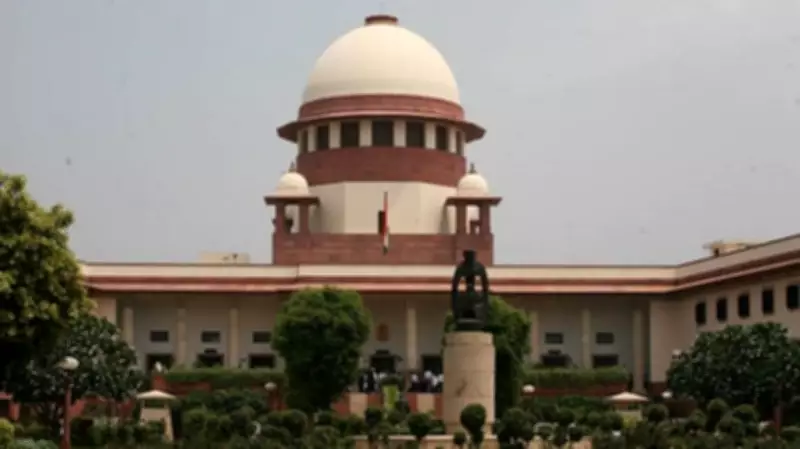
The Central government has issued a notification empowering district collectors (DCs) to take penal action against polluters, following a directive from the Supreme Court. The move aims to strengthen enforcement of environmental laws at the local level.
Delegation of powers
According to the notification, district collectors can now impose penalties on individuals and entities found violating pollution norms. This includes levying fines and initiating legal proceedings. The notification clarifies that the Centre may revoke these delegated powers if such a course of action is necessary in public interest.
Supreme Court's role
The Supreme Court had earlier directed the government to ensure stricter compliance with environmental regulations. The court observed that pollution levels in many regions were alarming and required immediate action. The empowerment of DCs is seen as a step towards decentralising enforcement and ensuring quicker response to violations.

Key provisions
- District collectors can now issue notices and impose fines on polluters.
- The powers cover air, water, and land pollution cases.
- DCs must report actions taken to the state pollution control boards.
The notification also states that the delegation of powers is subject to review. If the Centre finds that the powers are being misused or are ineffective, it can withdraw them. This clause ensures accountability and prevents arbitrary actions.
Reactions and implications
Environmental activists have welcomed the move, calling it a long-overdue reform. They believe that local authorities are better positioned to monitor and act against polluters. However, some experts caution that capacity building and training of DCs will be crucial for effective implementation.
The notification is effective immediately, and district collectors across the country have been instructed to comply. The government expects this to lead to a significant reduction in pollution incidents.