

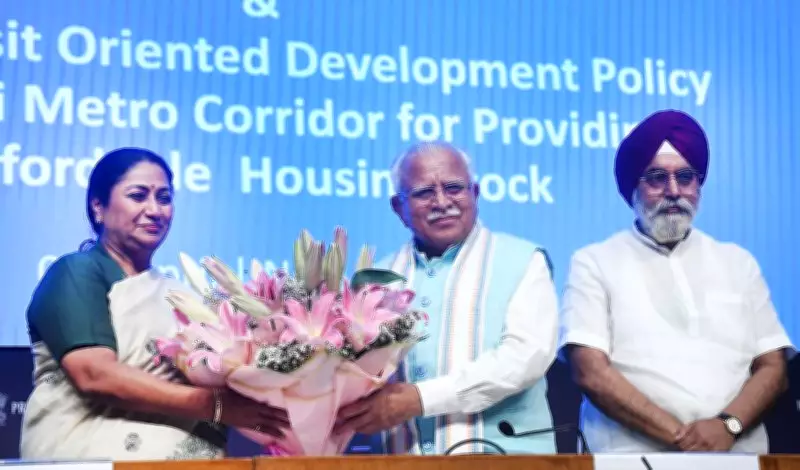
Centre Notifies Transit-Oriented Development Policy for Delhi to Boost Urban Growth
The Indian government has officially notified the Transit-Oriented Development (TOD) Policy for Delhi, marking a significant step toward transforming the capital's urban landscape. This policy aims to create vibrant, mixed-use communities centered around public transit hubs, such as metro stations and bus terminals, to reduce traffic congestion, improve air quality, and foster sustainable urban development.
Key Objectives of the TOD Policy
The primary goals of the Transit-Oriented Development Policy include:
- Enhancing Public Transit Usage: By encouraging higher density development near transit nodes, the policy seeks to increase ridership on Delhi's metro and bus systems, thereby reducing reliance on private vehicles.
- Promoting Mixed-Use Development: The policy supports the integration of residential, commercial, and recreational spaces within walking distance of transit points, creating self-sufficient neighborhoods.
- Improving Urban Infrastructure: It focuses on upgrading amenities like pedestrian pathways, cycling tracks, and green spaces to make areas around transit hubs more accessible and livable.
- Reducing Environmental Impact: By curbing vehicular emissions through better transit connectivity, the policy aligns with national efforts to combat air pollution and climate change.
Implementation and Expected Benefits
The notification of this policy by the Centre sets the stage for coordinated action between central and state authorities, including the Delhi Development Authority (DDA) and municipal corporations. Key implementation aspects involve:

- Zoning Regulations: Adjusting land-use norms to allow for higher Floor Area Ratios (FAR) and building heights in designated TOD zones, incentivizing developers to invest in these areas.
- Public-Private Partnerships: Facilitating collaborations between government bodies and private entities to fund and execute infrastructure projects, such as metro station upgrades and housing complexes.
- Community Engagement: Involving local residents and stakeholders in planning processes to ensure that developments meet community needs and preserve cultural heritage.
Expected benefits of the Transit-Oriented Development Policy include:
- Economic Growth: By attracting investments and creating job opportunities in construction, retail, and services, the policy is poised to boost Delhi's economy.
- Improved Quality of Life: Residents can enjoy shorter commutes, better access to amenities, and enhanced public spaces, contributing to overall well-being.
- Sustainable Urbanization: The policy supports India's commitments to sustainable development goals by promoting energy-efficient buildings and reducing carbon footprints.
Challenges and Future Outlook
While the Transit-Oriented Development Policy holds promise, challenges such as land acquisition issues, funding constraints, and coordination among multiple agencies may arise during implementation. However, with proactive measures and stakeholder cooperation, these hurdles can be addressed to realize the vision of a more connected and sustainable Delhi.
This policy notification underscores the Centre's commitment to modernizing urban infrastructure and addressing the growing demands of Delhi's population. As implementation progresses, it is expected to serve as a model for other Indian cities seeking to adopt transit-oriented approaches for smarter, greener urban growth.






