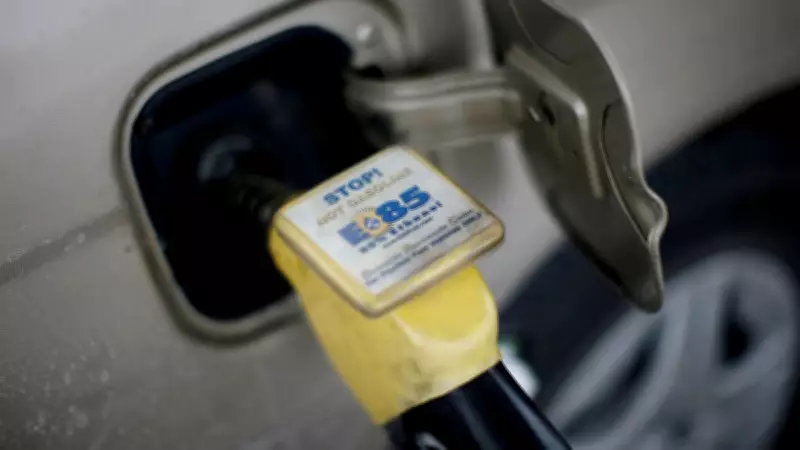
Government Dismisses False Claims on E20 Ethanol Blending
The Indian government has strongly rebutted what it calls 'misinformation' surrounding the E20 ethanol blending programme, asserting that the plan is scientifically sound and does not damage vehicles. In a statement, the Ministry of Petroleum and Natural Gas addressed a range of allegations, including excessive water consumption, engine damage, insurance invalidation, and environmental harm, categorically denying each.
Scientific Basis of the E20 Programme
The E20 programme mandates blending 20% ethanol with petrol by 2025-26. The ministry clarified that extensive research and testing by the Automotive Research Association of India (ARAI) and other bodies have confirmed that E20 fuel is safe for existing vehicles manufactured after 2008. 'All modern vehicles are designed to handle up to E20 blend without any modifications,' the statement read. The government also noted that over 60 countries, including the US and Brazil, have successfully implemented similar blends.
Addressing Water Consumption Concerns
Critics had claimed that ethanol production consumes excessive water, but the ministry countered that the water footprint of ethanol is comparable to or lower than that of petrol when considering the entire lifecycle. 'Ethanol from sugarcane and other feedstocks uses water efficiently, and technological improvements are reducing consumption further,' the statement said. The government also highlighted that ethanol production supports farmers and reduces import dependence.

No Impact on Engine or Insurance
Regarding engine damage, the ministry cited tests showing no adverse effects on engine performance or longevity. 'Claims that E20 corrodes engines or voids warranties are baseless,' the statement emphasized. Major automakers have already certified their vehicles for E20 compatibility. On insurance, the ministry clarified that no policy is invalidated by using E20 fuel, as it is a government-approved blend.
Environmental and Economic Benefits
The E20 programme is expected to reduce carbon emissions by up to 20% and save foreign exchange worth billions of dollars annually. The ministry also dismissed environmental harm claims, stating that ethanol production from biomass is carbon-neutral and reduces air pollutants. 'This is a win-win for the environment, farmers, and energy security,' the statement concluded.