

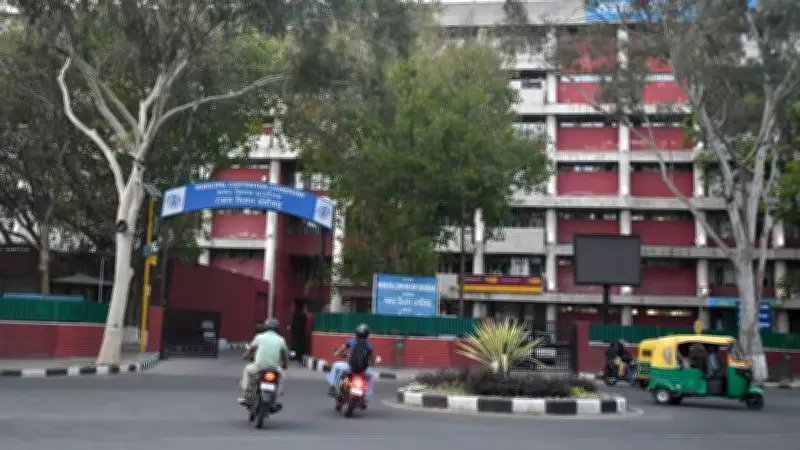
Chandigarh Municipal Corporation Establishes Oversight Committee for Meat Shops and Slaughterhouses
The Chandigarh Municipal Corporation has taken a significant step towards enhancing public health and safety by forming a dedicated committee to monitor slaughterhouses and meat shops across the city. This move comes in response to growing concerns about hygiene standards and regulatory compliance in the meat industry.
Committee Formation and Mandate
The newly established committee is tasked with conducting regular inspections of all slaughterhouses and meat shops operating within Chandigarh's jurisdiction. Its primary objective is to ensure that these establishments adhere strictly to health, safety, and environmental regulations set by the municipal authorities.
Key responsibilities of the committee include:

- Verifying compliance with sanitation and hygiene protocols
- Monitoring waste disposal practices to prevent environmental contamination
- Ensuring proper licensing and registration of all meat-related businesses
- Addressing public complaints regarding meat shop operations
Background and Legal Context
The decision to form this oversight body follows directives from the Punjab and Haryana High Court, which had expressed concerns about the unregulated functioning of some meat shops in Chandigarh. The court emphasized the need for systematic monitoring to protect consumer interests and maintain urban cleanliness.
The Municipal Corporation's proactive approach aims to bridge existing regulatory gaps and establish a robust framework for meat industry supervision.
Expected Impact on Public Health
By implementing stricter oversight mechanisms, the committee is expected to significantly improve food safety standards in Chandigarh. Regular inspections will help identify and rectify violations promptly, reducing health risks associated with contaminated or improperly handled meat products.
Benefits of enhanced monitoring include:
- Reduced incidence of foodborne illnesses
- Improved overall hygiene in meat processing and retail environments
- Greater transparency in meat sourcing and handling practices
- Enhanced consumer confidence in locally available meat products
Implementation Strategy
The committee will operate through a structured inspection schedule, with surprise checks planned to ensure ongoing compliance. Establishments found violating regulations may face penalties ranging from fines to temporary closure orders, depending on the severity of infractions.
Municipal officials have indicated that the committee will collaborate with health department experts and environmental agencies to develop comprehensive guidelines for meat shop operations. Training programs for meat shop owners and workers are also being considered to promote best practices in food handling.
Future Directions
Looking ahead, the Chandigarh Municipal Corporation plans to integrate technology into the monitoring process, potentially using digital tools for real-time compliance tracking. The committee's findings will be regularly reviewed to update policies and address emerging challenges in the meat industry.
This initiative represents a broader effort by urban authorities to strengthen regulatory frameworks for food businesses, aligning with national standards for public health protection.






