

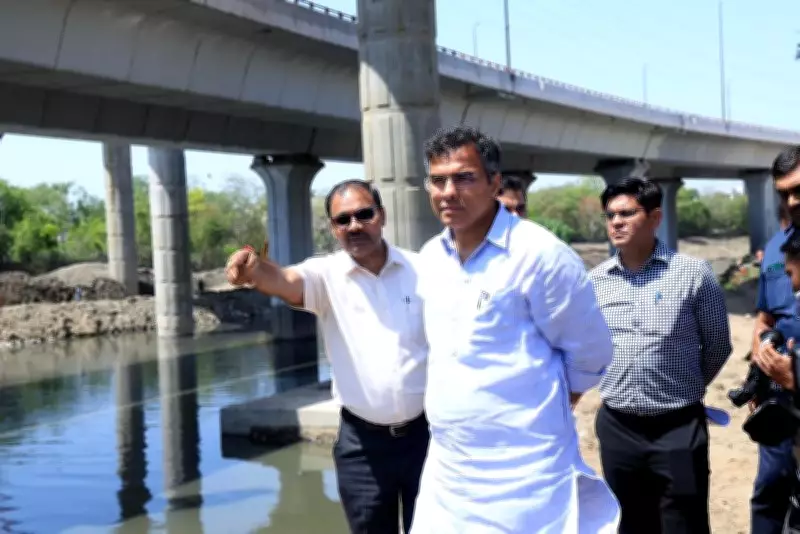
Delhi Clears Massive 1.4 Lakh Metric Tonnes of Silt from Drains
In a significant move to tackle the perennial issue of waterlogging, Delhi Minister Saurabh Bharadwaj has announced that the city has successfully removed a staggering 1.4 lakh metric tonnes of silt from its drainage systems so far. This extensive pre-monsoon cleaning operation aims to ensure smoother water flow and minimize flooding risks during the upcoming rainy season.
Proactive Measures to Prevent Waterlogging
The silt removal drive is a critical component of Delhi's monsoon preparedness strategy. Waterlogging has long been a major concern for residents, causing traffic disruptions, property damage, and health hazards. By clearing such a massive volume of silt, authorities hope to enhance the capacity of drains and nullahs to handle heavy rainfall effectively.
Minister Bharadwaj emphasized that this effort is part of a broader initiative to improve urban infrastructure and public safety. The operation involved multiple agencies working round-the-clock to desilt key drainage channels across the city, targeting areas historically prone to flooding.

Focus on High-Risk Zones and Future Plans
The cleaning drive has prioritized localities that experience severe waterlogging annually. Special attention has been given to low-lying areas and congested neighborhoods, where blocked drains often exacerbate flooding. The minister assured that the work is ongoing, with plans to remove additional silt before the monsoon peaks.
He also highlighted the use of modern machinery and techniques to expedite the process, ensuring that the city is better equipped to face the challenges of the rainy season. Residents are encouraged to cooperate by avoiding littering and reporting clogged drains to authorities.
Impact on Public Health and Mobility
Effective silt removal not only prevents waterlogging but also reduces the risk of waterborne diseases and improves overall urban hygiene. By maintaining clear drainage pathways, the city aims to safeguard public health and ensure uninterrupted mobility during monsoons.
This proactive approach underscores the government's commitment to enhancing Delhi's resilience against natural adversities and improving the quality of life for its citizens.






