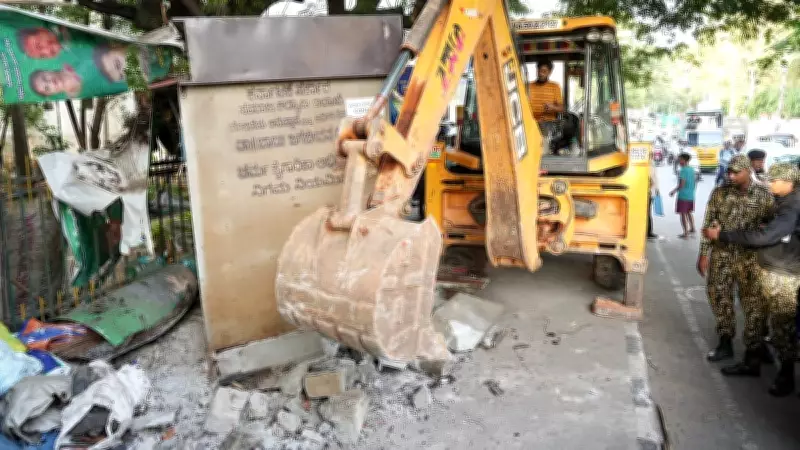
The Greater Bengaluru Authority (GBA) has cleared encroachments along 47 kilometres of arterial and sub-arterial roads in the city, as part of a large-scale drive to reclaim public space and improve traffic flow. The operation covered major corridors and was carried out over several days, targeting illegal structures, hoardings, and unauthorised extensions that had narrowed roads and obstructed pedestrian movement.
Scope of the drive
The drive spanned 47 km of key roads, including both arterial roads that carry high volumes of traffic and sub-arterial roads that serve as connectors. According to GBA officials, the operation focused on removing encroachments that had reduced road width, blocked footpaths, and encroached upon storm water drains. The initiative is part of a broader city-wide effort to enforce zoning regulations and improve urban infrastructure.
“We have cleared encroachments on 47 km of roads, and this is just the beginning,” said a senior GBA official. “Our aim is to ensure that all public spaces are free from illegal occupation, making the city more liveable.” The official added that the drive would continue in other parts of Bengaluru in the coming months.

Impact on traffic and safety
The removal of encroachments is expected to significantly ease traffic congestion on these routes. Many of the cleared roads had seen their effective width reduced by half due to illegal constructions, leading to bottlenecks and longer commute times. Pedestrians, too, will benefit from the reclaimed footpaths, which were often blocked by vendors or unauthorised structures.
Local residents and commuters have welcomed the move. “These roads were a nightmare to drive on, especially during peak hours,” said a daily commuter. “Now there is more space, and I hope the authorities maintain this.” However, some shop owners whose extensions were removed have expressed concerns about loss of business.
Legal and administrative measures
The GBA carried out the drive under the provisions of the Karnataka Municipal Corporations Act and relevant land-use regulations. Prior notices were issued to encroachers, giving them time to remove structures voluntarily. In cases where compliance was not forthcoming, the GBA deployed demolition teams with police protection. The agency has also set up a helpline for citizens to report new encroachments.
The cleared areas will be monitored regularly to prevent re-encroachment. GBA plans to install signage and markings to demarcate public space and will coordinate with traffic police to ensure smooth movement. The total number of encroachments removed during the drive has not been disclosed, but officials said it ran into hundreds.
Broader urban renewal context
The drive is part of the GBA’s larger urban renewal programme, which includes road widening, footpath repairs, and drainage improvements. The agency has allocated funds for beautification of cleared stretches, including planting trees and installing street furniture. Similar drives are planned in other parts of the city, targeting both commercial and residential areas.
Environmental groups have praised the initiative for restoring public space and improving walkability. “Encroachments not only choke traffic but also affect drainage and green cover,” said an urban activist. “This is a positive step towards sustainable urban planning.” The GBA has urged citizens to cooperate and avoid future encroachments to ensure long-term benefits.