In a significant administrative reform aimed at streamlining the recruitment process for India's premier civil services, the central government has revised the cadre allocation policy for the Indian Administrative Service (IAS), Indian Police Service (IPS), and Indian Forest Service (IFoS). The new framework, issued by the Department of Personnel and Training (DoPT) following consultations with state governments, seeks to introduce greater transparency and consistency into the system of vacancy determination and cadre allocation.
Revised Guidelines for Vacancy Determination
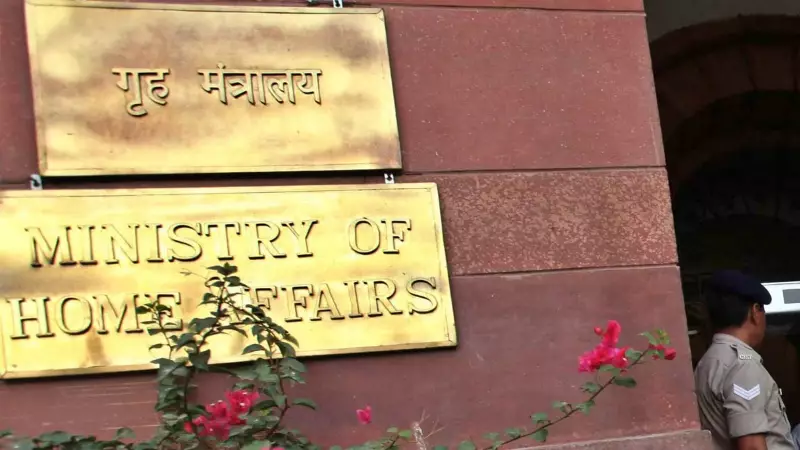
According to the updated guidelines, the cadre controlling authorities will be responsible for determining the number of vacancies annually. Specifically, the DoPT will handle IAS vacancies, the Ministry of Home Affairs (MHA) will manage IPS vacancies, and the Ministry of Environment, Forest and Climate Change (MoEF&CC) will oversee IFoS vacancies. These vacancies will be categorized and distributed among Unreserved (UR), Scheduled Castes (SC), Scheduled Tribes (ST), and Other Backward Classes (OBC) categories.
The vacancies determined will be communicated to state governments and published on the respective ministry websites. This process is designed as a time-bound exercise, with requisitions received from states after the prescribed deadline not being considered for vacancy determination. Yashu Rustagi, Director at DoPT, emphasized in the policy issued on January 23 that this approach ensures efficiency and adherence to schedules.

New State Grouping System
The policy, which was last modified in 2017, introduces a new grouping system for state cadres. Previously divided into zones, the states and joint cadres are now arranged alphabetically and divided into four distinct groups:
- Group-I: AGMUT (Arunachal Pradesh-Goa-Mizoram and Union Territories), Andhra Pradesh, Assam-Meghalaya, Bihar, and Chhattisgarh.
- Group-II: Gujarat, Haryana, Himachal Pradesh, Jharkhand, Karnataka, Kerala, and Madhya Pradesh.
- Group-III: Maharashtra, Manipur, Nagaland, Odisha, Punjab, Rajasthan, Sikkim, and Tamil Nadu.
- Group-IV: Telangana, Tripura, Uttarakhand, Uttar Pradesh, and West Bengal.
This reorganization replaces the earlier zone-based system, which had five zones with different state compositions. The new grouping aims to simplify and standardize the allocation process across regions.
Key Changes in Allocation Procedures
The determination of vacancies will be based on the cadre gap as of January 1 of the year following the Civil Services Examination (CSE). State governments are required to submit their vacancy requisitions by January 31 of the same year to be considered. Additionally, the new norms clarify that vacancies earmarked for the Economically Weaker Sections (EWS) will be treated as part of the Unreserved category and reflected accordingly in the cadre roster.
Insider Candidate Allocation
A pivotal aspect of the revised policy is the allocation of "insider" candidates – those opting for their home state cadre. The policy stipulates that insider allocation will strictly follow the order of merit and vacancy availability. A candidate's willingness to serve in their home state is now a mandatory condition for eligibility against an insider vacancy, ensuring that placements are based on transparent criteria.
Rotational Cycle System for Outsiders
For outsider candidates, the policy introduces a rotational cycle system corresponding to the 25 states and joint cadres. Each cycle covers 25 candidates in merit order, with allocation priority given to higher-ranked candidates within the same cycle. Those not allocated in one cycle move to subsequent cycles. After insiders are placed, allocation for outsider candidates proceeds in two stages: first for Persons with Benchmark Disabilities (PwBD) and then for others, following the roster system.

Expected Impact and Broader Goals
Officials highlight that this move is expected to bring greater objectivity to the cadre allocation process, which has historically been a sensitive issue among aspirants and state governments. The revised system aligns with the government's broader objectives of promoting fairness and administrative efficiency within the all-India services. By establishing clear guidelines and time-bound processes, the policy aims to reduce ambiguities and enhance trust in the recruitment framework.
The principles for maintaining rosters for category-wise reservation and insider/outsider distribution will adhere to established procedures, ensuring consistency. Overall, these reforms represent a concerted effort to modernize and streamline the allocation of India's top civil services, fostering a more equitable and transparent administrative environment.