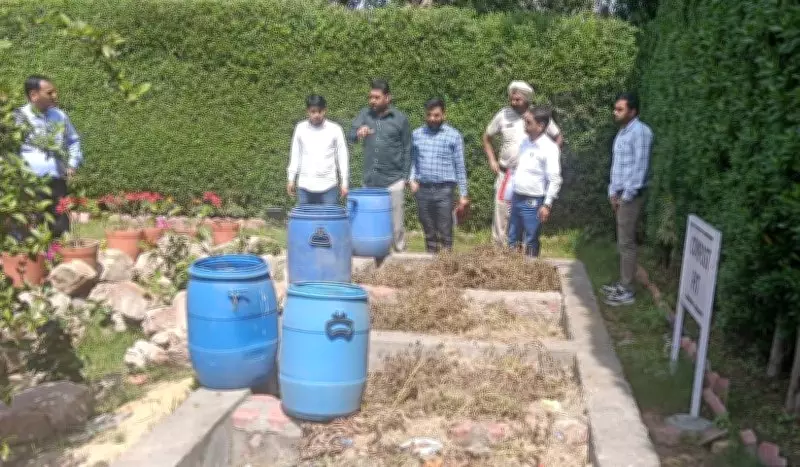
Haryana Municipal Corporation Conducts Pre-Survey Inspections of Bulk Waste Generators
In a proactive move ahead of the upcoming Swachh Survekshan, a dedicated team from a municipal corporation in Haryana has carried out thorough inspections of establishments identified as bulk waste generators. This initiative aims to ensure strict adherence to waste management regulations and bolster the region's performance in the national cleanliness survey.
Focus on Compliance and Cleanliness Standards
The inspection drive targeted various commercial and institutional entities that produce significant amounts of waste, including hotels, restaurants, hospitals, and market complexes. Officials assessed these establishments for proper segregation, storage, and disposal of waste, emphasizing the importance of following guidelines set by the Swachh Bharat Mission.
Key areas of scrutiny included:

- Implementation of source segregation into wet, dry, and hazardous waste categories.
- Adequacy of on-site waste storage facilities to prevent littering and environmental contamination.
- Documentation and records related to waste handling and disposal processes.
- Overall cleanliness and hygiene maintenance in and around the premises.
Driving Improvements in Swachh Survekshan Rankings
The Swachh Survekshan is an annual survey conducted by the Government of India to rank cities and towns based on their sanitation and waste management efforts. Haryana has been actively working to enhance its standings, with municipal corporations playing a crucial role in this endeavor. By inspecting bulk waste generators, the team aims to address potential gaps and ensure that all establishments contribute effectively to the state's cleanliness goals.
This pre-survey inspection is part of a broader strategy to foster community participation and institutional accountability in waste management. Officials engaged with establishment owners and managers, providing guidance on best practices and corrective measures where necessary. The goal is not only to improve rankings but also to promote sustainable waste management practices that benefit public health and the environment.
Implications for Urban Governance and Public Health
Effective waste management is critical for urban areas, impacting everything from public health to environmental sustainability. The inspections highlight the municipal corporation's commitment to enforcing regulations and encouraging responsible behavior among waste generators. As Haryana prepares for the Swachh Survekshan, such initiatives are expected to drive tangible improvements in cleanliness and waste handling across the region.
Looking ahead, the municipal corporation plans to continue monitoring compliance and may conduct follow-up inspections to ensure sustained adherence. This effort underscores the importance of collaborative action between authorities and establishments in achieving a cleaner, healthier urban environment.