

Haryana Government Enforces Stringent Wheat Procurement Measures Post Ghost Paddy Scandal
Haunted by the revelations of a widespread 'ghost paddy scam', the Haryana government has announced a comprehensive overhaul of its wheat procurement protocols for the upcoming Rabi season. These reforms aim to instill greater transparency and accountability, directly addressing the irregularities that plagued the previous paddy procurement cycle.
Enhanced Verification Protocols to Curb Fraud
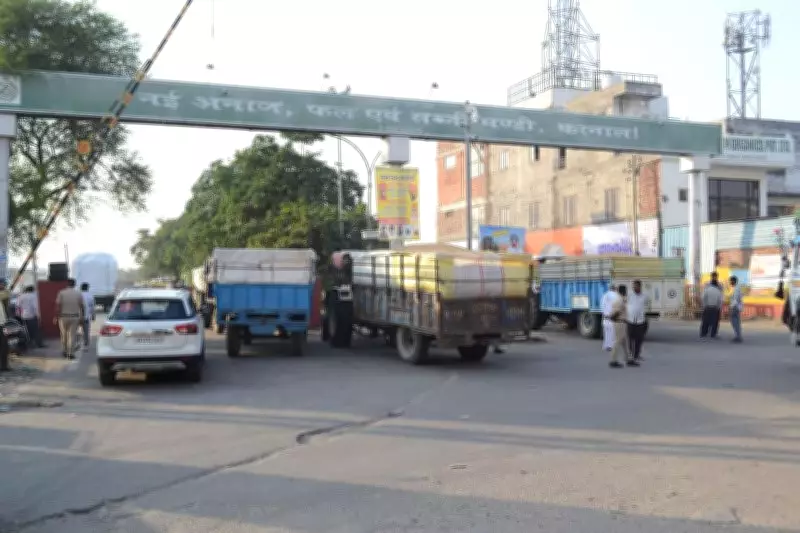
In a decisive move, the state authorities have mandated that all grain-carrying vehicles must display visible front registration number plates. Entry into grain markets will now be contingent upon capturing a digital image of these number plates, which will be used to generate gate passes exclusively between 6 am and 8 pm. This measure is designed to regulate market entry and prevent unauthorized access.
Furthermore, biometric verification of farmers has been made compulsory prior to the auction process. Farmers are required to verify their identity in person or nominate at least three individuals for verification. This step is crucial to eliminate proxy sales and ensure that the benefits of Minimum Support Price (MSP) reach genuine cultivators.

Digital Tracking and Geo-Fencing Initiatives
To further secure the procurement chain, the government is implementing advanced digital monitoring systems. For exit gate passes, transporters must have GPS enabled on their devices or vehicles. A proposal for geo-fencing is also under active consideration. This technology creates a virtual boundary to track the real-time location of vehicles, providing an additional layer of verification to prevent the issuance of fraudulent passes.
Officials from the Haryana State Agricultural Marketing Board (HSAMB) have described the new system as "robust and foolproof." Training sessions for HSAMB personnel and procurement inspectors on biometric verification procedures are scheduled to commence across the state.
Addressing Past Irregularities and Ensuring Accountability
The reforms are a direct response to the 'ghost paddy scam' uncovered during the last procurement season. Investigations revealed that fake gate passes were used to facilitate 'proxy procurement,' where paddy from neighboring states like Uttar Pradesh was passed off as locally produced to exploit Haryana's higher MSP and efficient payment systems. In some instances, procurement was recorded in official logs despite no actual crop arriving at the markets.
This malpractice led to significant financial losses and eroded trust in the procurement process. In Karnal district alone, six First Information Reports (FIRs) were filed, resulting in the arrest or investigation of over 25 individuals, including officials, commission agents (arhtiyas), and millers.
Mukesh Kumar, the District Food Supplies Controller (DFSC), emphasized the transformative potential of these measures. "The new system will ensure transparency in procurement and hold officials accountable for any irregularities. Digital monitoring will allow for the swift identification and closure of all loopholes," he stated.
As part of the standard procedure, farmers must continue to register on the Meri Fasal Mera Byora (MFMB) portal before bringing their produce to the markets. The Haryana government's proactive stance underscores its commitment to safeguarding agricultural interests and restoring integrity to the state's vital grain procurement ecosystem.






