Jaipur Traffic Police Implements Major Signal Timing Overhaul at 51 Intersections
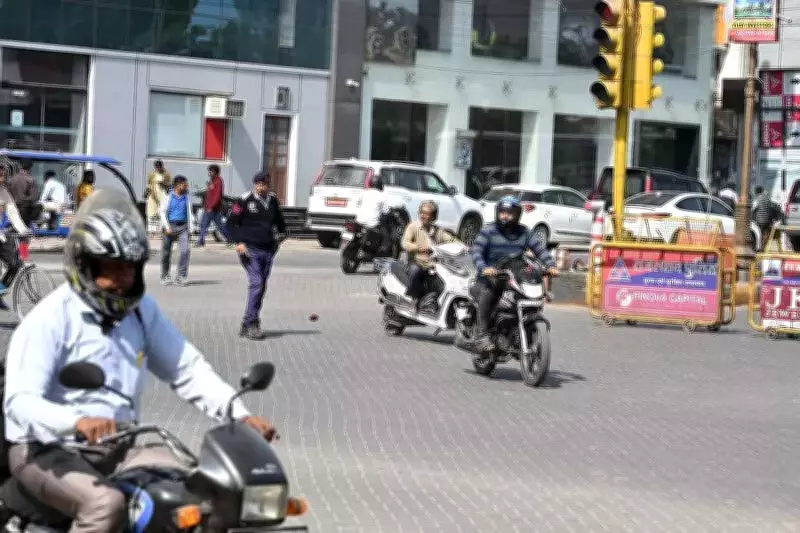
In a significant move to alleviate urban congestion, the Jaipur traffic police have announced a comprehensive revision of signal timings at 51 key intersections across the city. Officials confirmed the changes on Sunday, following an extensive study of traffic patterns and pressure points.
Elaborate Study Leads to Optimized Traffic Management
An official stated, "After conducting an elaborate study of signal time and traffic pressure at intersections and roundabouts on the main roads of Jaipur, we have optimized the signal timings. The timings were synchronized considering the volume of traffic during both peak and lean hours of the day." This data-driven approach aims to address the persistent issue of traffic bottlenecks that have plagued the city's roadways.
Key Intersections Included in the Synchronization Plan
The revised timings affect a wide array of critical junctions, ensuring a holistic improvement in traffic flow. Notable intersections included in this initiative are:

- Rambagh Circle
- Narayan Singh Circle
- Trimurti Circle
- Moti Dungri Ganesh Mandir Circle
- JDA Circle
- Rajasthan University Gate Crossing
- Ramniwas Bagh Circle
- Station Mod
- Galta Gate Circle
- Haldighati Gate Crossing
- KV 3 Tiraha
- Apex Circle
- Model Town
- Akshaya Patra Circle
- NRI Circle
- Sanganeri Gate
- Yadgar
- Ajmeri Gate
Additionally, signals at other important crossings have been optimized, such as Gurudwara Mod (TP Nagar), Chinkara Crossing, Panipech, Government Hostel, Government Press, 200 Feet Bypass Crossing, Jharkhand Mod, and Niwaru Road.
Expected Outcomes and Official Optimism
Another official expressed optimism about the initiative, adding, "We are hopeful that this synchronization will ensure smooth traffic flow on city roads, especially during peak hours." The adjustments are designed to reduce wait times, minimize congestion, and enhance overall road safety by creating a more fluid movement of vehicles throughout Jaipur.
This proactive measure by the traffic police underscores a commitment to leveraging data and technology for urban management. By fine-tuning signal timings based on real-time traffic analysis, authorities aim to provide a more efficient and less stressful commuting experience for residents and visitors alike.