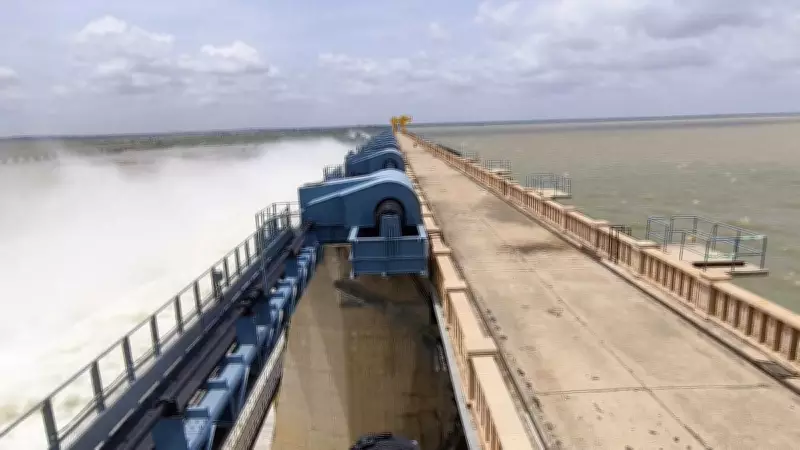
Ten major dams in Karnataka are collectively only 22% full as of June 30, 2026, raising serious concerns about drinking water availability across the state. This marks a dramatic decline from the same date last year, when the reservoirs were 59% full.
Current Storage Levels
According to official data, the total storage capacity of these 10 reservoirs is significantly underutilized. The combined storage stands at just 22% of capacity, compared to 59% in 2025. The situation is particularly critical as these dams primarily serve drinking water needs.
Impact on Water Supply
The low storage levels threaten water supply to major cities and towns. Authorities are monitoring the situation closely, with contingency plans being discussed. Last year's higher levels ensured adequate supply through the summer, but this year's deficit could lead to restrictions.

"The situation is grim," said a senior official from the Karnataka Water Resources Department, speaking on condition of anonymity. "We are exploring all options, including cloud seeding and strict rationing, to manage the crisis."
Comparison with Previous Year
The sharp drop from 59% to 22% year-on-year underscores the severity of the water deficit. In 2025, reservoirs were filling rapidly by late June, but this year inflows have been minimal due to poor monsoon rainfall.
Meteorological data indicates that Karnataka received 40% less rainfall than normal during the current monsoon season. The India Meteorological Department has forecast below-average rainfall for the coming weeks, compounding the challenge.
Government Response
The state government has formed a task force to address the crisis. Measures being considered include inter-basin water transfers, desilting of dams, and public awareness campaigns to reduce water wastage. Farmers have been advised to delay sowing and opt for less water-intensive crops.
"We are in constant touch with the central government for assistance," added the official. "Every drop of water must be conserved."
The situation remains fluid, with further updates expected as the monsoon progresses.