

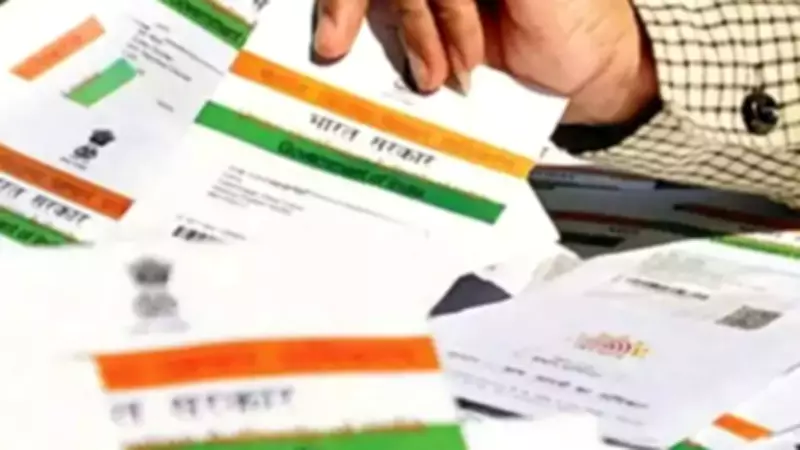
Ladakh Aadhaar Cards Updated to Reflect Union Territory Identity
In a significant development for regional recognition, residents of Ladakh will now see "Ladakh" listed as their state on Aadhaar cards, replacing the outdated "Jammu & Kashmir" entry. This move addresses a long-standing identity concern that persisted despite Ladakh's establishment as a Union territory in 2019, following its separation from the former state of Jammu and Kashmir, which also became a Union territory.
Administrative Action Resolves Identity Inconvenience
Lieutenant Governor Vinai Kumar Saxena took serious note of the issue and directed the Ladakh administration to expedite a resolution. The administration promptly engaged with the Unique Identification Authority of India (UIDAI), the central agency overseeing Aadhaar issuance. According to an official press release, the continued use of "Jammu and Kashmir" in Aadhaar records had caused considerable inconvenience for Ladakh residents, hindering their ability to use the document as valid identity and address proof for accessing various services.
The discrepancy in the 'state' field did not align with Ladakh's post-reorganisation status, leading to difficulties in official transactions and representation. This issue also impacted the accurate reflection of Ladakh in Aadhaar-linked records and progress reports, underscoring the need for an urgent fix.

Innovative Central Update Mechanism Implemented
To streamline the correction process, the Ladakh administration and UIDAI devised an innovative central update mechanism. Instead of requiring residents to individually visit Aadhaar centres—a potentially burdensome task—the updation was executed using PIN codes specific to Ladakh. These codes were verified in coordination with India Post and subsequently shared with UIDAI, enabling a bulk update of records.
This approach not only saved time and resources but also ensured that all eligible residents benefited from the change without personal hassle. The update reinforces Ladakh's distinct identity within national databases, marking a step forward in administrative efficiency and regional empowerment.






