The Maharashtra government has announced plans to inspect all gymkhanas operating on government land in Mumbai to ensure compliance with lease conditions and other regulations, an official confirmed on Monday.
Inspection Details and Revenue
Nearly 10 gymkhanas in the city are situated on government-owned land, generating approximately Rs 2 crore annually for the state government through rent payments. The inspection follows a directive from the Central Government ordering Delhi Gymkhana to vacate its premises by June 5, citing the need to strengthen and secure defence infrastructure and for public security purposes.
Prominent Gymkhanas in Mumbai
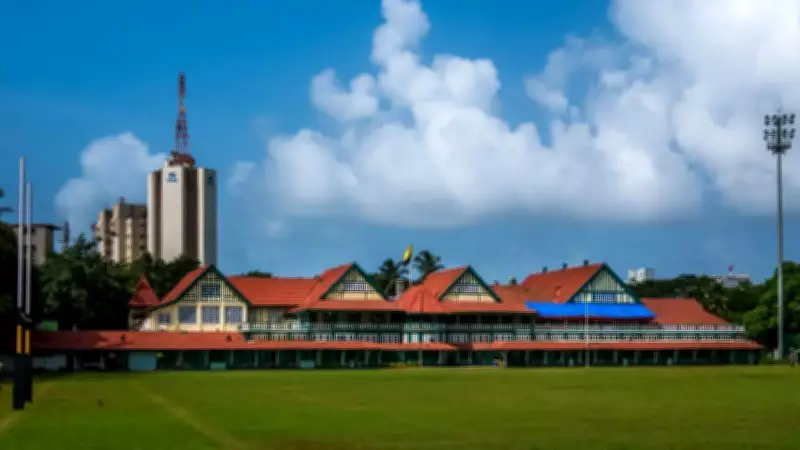
Among Mumbai's most prominent clubs is the Bombay Gymkhana in South Mumbai, founded in 1875 and regarded as one of the city's elite institutions. The lease for the land occupied by the club expired in 2006, while the lease for its grounds ended in 2007. Other well-known gymkhanas include PJ Hindu Gymkhana, Catholic Gymkhana, Parsee Gymkhana, Wodehouse Gymkhana, PVM Gymkhana, and Islam Gymkhana.

Lease Compliance and Legal Challenges
When asked whether all gymkhanas follow lease rules, the official stated, “We issue notices to the defaulters and also hold hearings in some cases.” The state government's 2003 rent fee policy for gymkhanas was challenged in court. It was revised a decade later, with the last revision occurring in 2025.
Dispute with BMC
Bombay Gymkhana is also involved in a dispute with the Brihanmumbai Municipal Corporation (BMC) over a proposed land acquisition. The club has opposed the civic body's move to acquire around 3,000 square metres of land for a road widening project. The BMC plans to widen Hazarimal Somani Marg, which runs alongside the club and connects Fashion Street to Chhatrapati Shivaji Maharaj Terminus (CSMT). The project would also require taking over part of the bungalow used by the gymkhana's CEO.
Reactions from Gymkhana Representatives
Islam Gymkhana President Yusuf Abrahani expressed hope that Delhi Gymkhana would receive relief from the court. “If they are taking the land for public purpose, Delhi is big. You can adjust your public purpose elsewhere,” he said.