

Mangaluru Minister Urges Swift Action on Digital Land Documents
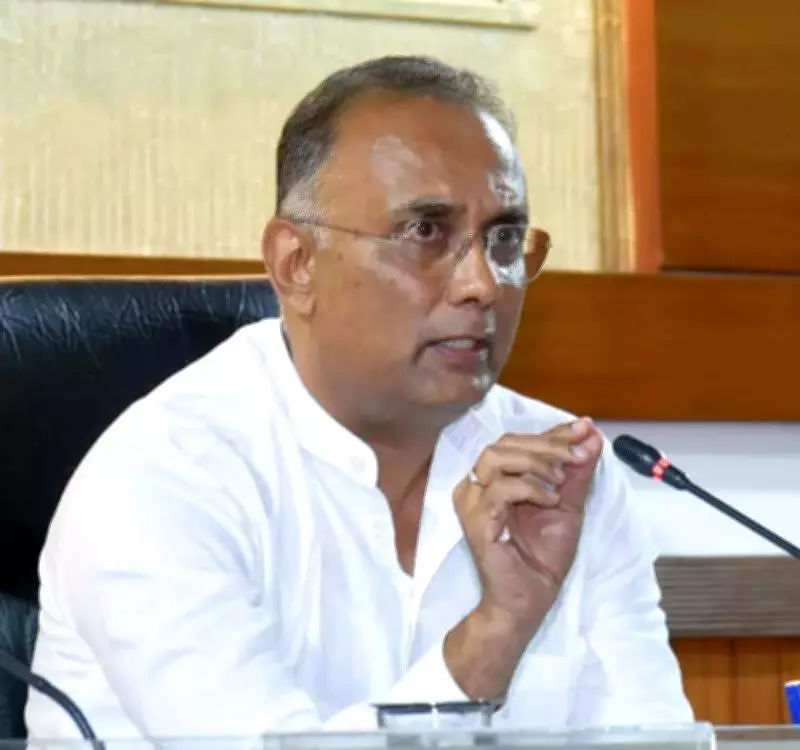
In a significant move to streamline urban governance, Dakshina Kannada district minister Dinesh Gundu Rao has directed urban local bodies and gram panchayats to accelerate the issuance of e-Khata and e-Swathu documents. The directive came during a comprehensive review meeting held with officials at the deputy commissioner's office on Wednesday, focusing on enhancing administrative efficiency and public service delivery.
Addressing Citizen Complaints and Technical Hurdles
Minister Rao emphasized that e-Khata and e-Swathu are essential digital records required for various approvals, including building construction permits, site plan sanctions, and other regulatory permissions. He acknowledged receiving numerous complaints from citizens about delays caused by persistent technical issues, which have hindered timely processing. "These documents are critical for development and must be issued without unnecessary delays," Rao stated, instructing officials to immediately engage with concerned authorities to resolve these problems at the earliest.
Providing an update on the situation, Mangaluru City Corporation (MCC) commissioner Ravichandra Naik reported that the technical glitches affecting e-Khata issuance have been successfully resolved. In February alone, the MCC issued 1,058 e-Khatas, demonstrating a positive turnaround in the digital documentation process. This progress marks a step forward in reducing bureaucratic bottlenecks and improving citizen access to essential services.

Infrastructure and Development Projects Prioritized
Beyond digital documentation, Minister Rao outlined several key infrastructure initiatives to boost regional development. He directed officials to:
- Expedite work on the proposed District Rangamandira in Mangaluru, aiming to enhance cultural and community facilities.
- Speed up the completion of the Panja Mangesh Rao Bhavan under construction in Bantwal, ensuring timely delivery of this public asset.
- Resolve forest-related issues that are delaying the development of the Kudmul Ranga Rao memorial site at Attavar, preserving local heritage.
- Facilitate the use of treated water by holding discussions with major industries, promoting sustainable water management practices.
- Conduct third-party inspections for works under the Jalasiri project within MCC limits, ensuring transparency and quality control.
Additionally, Rao instructed that newly constructed hostel buildings in the district, which have been completed, should be opened for student occupancy without waiting for formal inauguration ceremonies. This pragmatic approach aims to address accommodation needs promptly and efficiently.
Launch of UGD Upgradation Works
In a parallel development, Minister Rao formally inaugurated upgradation works for the Underground Drainage (UGD) system within MCC limits. This initiative is funded by a Rs 40-crore grant sanctioned under the National Green Tribunal's Environmental Compensation Fund, aimed at strengthening the sewerage infrastructure and improving environmental sustainability.
The allocation breakdown for the UGD upgradation includes:
- Rs 6.8 crore for upgradation of the Sewage Treatment Plant (STP) at Pachanady.
- Rs 3.2 crore for installing bubble diffusers, air blowers, and control panels at the Bajal STP.
- Rs 3.3 crore for constructing a new wet well at Attavar.
- Rs 16.1 crore for upgradation of 8.2km of the main UGD pipeline in selected parts of Mangaluru.
These upgrades are expected to enhance the city's wastewater management capabilities, reduce pollution, and support long-term urban resilience.
Officials in Attendance
The review meeting saw participation from key district officials, including deputy commissioner Darshan HV, city police commissioner Sudheer Kumar Reddy, SP Arun K, zilla panchayat CEO Narwade Vinayak Karbhari, and additional deputy commissioner Raju K. Their collective involvement underscores a coordinated effort to address governance challenges and drive development in Dakshina Kannada.

Overall, Minister Rao's directives highlight a focused approach on digital transformation, infrastructure development, and environmental sustainability, aiming to foster growth and improve public services in the region.





